Self-Love Meditation: A Simple 5–10 Minute Practice

How to do self-love meditation?
Self-love meditation is a simple practice of turning attention toward warmth, acceptance, and care for yourself—especially when you’re feeling stressed, self-critical, or emotionally drained. It doesn’t require a “perfect” mindset; it works best when you show up exactly as you are.
A practical self-love meditation (5–10 minutes)
1) Settle your body. Sit or lie down comfortably. Let your shoulders drop and unclench your jaw. Take three slow breaths, exhaling a little longer than you inhale.
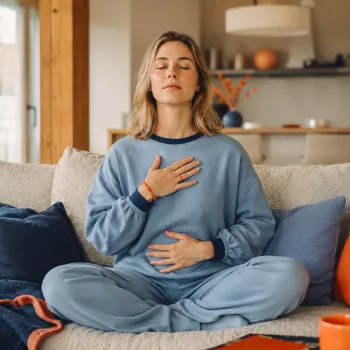
2) Place a hand on your heart (optional). This gentle touch can signal safety to your nervous system. If it doesn’t feel right, rest your hands anywhere comfortable.
3) Name what’s present. Quietly label your current experience without judging it: “tension,” “sadness,” “numbness,” or “busy mind.” Let the label be a soft acknowledgement, not a diagnosis.
4) Offer yourself kind phrases. Repeat one or two sentences on each exhale. Choose words that feel believable today, such as: “May I be gentle with myself.” “I’m allowed to be human.” “May I feel safe.” “I am worthy of care.” If emotions rise, let them move through without forcing them away.
5) Visualize warmth. Imagine a steady, warm light in your chest. With each breath, let it spread to your throat, face, and belly—areas that often hold self-judgment. If visualization is hard, simply sense the breath moving.
6) Close with one small promise. End by choosing one doable act of self-respect for today: drink water, step outside for two minutes, send one supportive text, or stop one negative self-comment mid-sentence.
If you prefer a guided option, explore supportive audio sessions here: guided meditations for self-love, worthiness, and calm.
FAQ
What are some quick self-compassion practices besides meditation?
Try a 30-second reset: place a hand on your chest, exhale slowly, and say, “This is hard, and I’m here for myself.” You can also write one kind sentence to yourself or take one small supportive action like stretching or drinking water.












Leave a comment