Heavy-Duty Geotextile Weed Barrier: 12.5×50 for Gravel
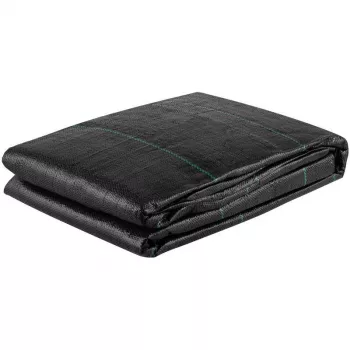
Heavy-Duty Geotextile Fabric Weed Barrier for Driveways and Landscaping (12.5×50 ft)
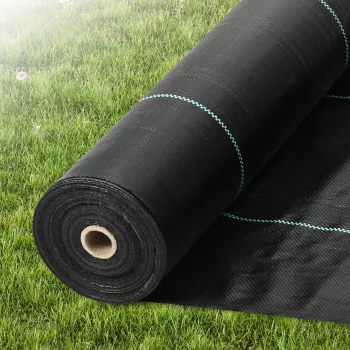
A heavy-duty geotextile weed barrier can keep gravel driveways, paths, and landscape beds cleaner and more stable by separating soil from aggregate while still allowing water to pass through. When it’s installed correctly and covered properly, it helps reduce muddy spots, slows gravel from “disappearing” into soft ground, and cuts down on weed pressure in rock and mulch beds—without trapping water like a solid plastic sheet can. For more guidance, see VEVOR Driveway Fabric 3x100FT – Heavy Duty Non ….
What This Fabric Does Under Gravel and Mulch
Geotextile fabric is designed to be a hardworking layer between your native soil and the material you place on top. In practical terms, it helps your driveway and landscape surfaces stay where you put them. For further reading, see VEVOR Commercial Grade Driveway Fabric Weed Barrier ….
- Acts as a separator layer: It helps prevent soil from pumping up into gravel, reducing ruts and muddy spots over time.
- Helps manage weeds: By blocking light and limiting growth through the surface layer, it reduces weed breakthrough (best results come with adequate top cover).
- Supports drainage: It lets water move through while limiting sediment migration that can cloud rock beds and weaken bases.
- Improves maintenance: Less gravel mixing into subsoil means easier re-grading, cleaner edges, and fewer “soft spots.”
For deeper technical background on how geosynthetics function in separation and filtration, see the Federal Highway Administration (FHWA) geosynthetics resources.
Where It Works Best Around the Property
This type of fabric is useful anywhere you want a stable surface layer while still allowing water to pass through.
- Gravel driveways and parking pads: Separation and stabilization under crushed stone.
- Walkways and garden paths: Reduces sinking and keeps stone from mixing into soil.
- Landscaping beds under rock or mulch: Helps reduce weed pressure and keeps soil from mixing upward.
- Drainage swales and downspout runoff areas: Supports flow while limiting erosion and sediment movement.
- Under patio base layers (where appropriate): Can help keep base material distinct from subgrade.
Common Uses and Recommended Top Cover
| Application | Primary goal | Typical top cover | Installation note |
|---|---|---|---|
| Gravel driveway | Separation + stability | 3–6 in crushed stone | Overlap seams and anchor well before spreading stone |
| Garden path | Reduce sinking + weeds | 2–4 in gravel/stone | Use edging to keep stone contained |
| Landscape bed | Weed suppression + clean layers | 2–4 in mulch or decorative rock | Cut X-slits for plants; avoid large openings |
| Drainage area | Filter + erosion control | Stone or riprap | Avoid clogging by removing fine sediment during prep |
For additional engineering and erosion-control references that often include geotextile-related guidance, the USDA NRCS engineering resources are a helpful starting point.
Sizing and Coverage for a 12.5×50 ft Roll
A 12.5×50 ft roll covers 625 sq ft before overlaps, edge turn-ups, and trimming. Plan your layout on paper first—especially for driveways with curves, wider turnarounds, or transitions to a garage apron.
- Plan for overlap: 6–12 inches on seams for landscaping; 12–18 inches for driveways and high-traffic areas.
- Account for edge turn-ups: Extra material around the perimeter helps secure the edges under soil backfill, edging, or gravel.
- Simple driveway math: Measure length × width, then add 10–15% for overlaps, curves, and anchoring.
Installation for Gravel Driveways: Step-by-Step
A driveway is the toughest environment for fabric because of vehicle loads and turning forces. The goal is a smooth, compacted subgrade; well-overlapped seams; and enough stone depth to distribute weight.
- Prep the base: Remove vegetation, roots, and large stones. Grade for slope and drainage before fabric goes down.
- Compact the subgrade: A firm, even surface helps the fabric perform and reduces settling.
- Lay fabric in the direction of travel: When possible, align lengthwise to reduce seam stress.
- Overlap seams 12–18 inches: Stagger seams so they don’t line up across the driveway width.
- Anchor securely: Use landscape staples/pins; add more at seams, edges, and transitions.
- Add aggregate in lifts: Place the first layer gently to avoid dragging the fabric, then build to thickness.
- Finish with grading and compaction: A compacted top layer helps resist rutting and washboarding.
Installation for Landscaping Beds and Paths
In beds and paths, the fabric’s main job is weed suppression and separation—keeping soil from migrating up into rock and keeping mulch from blending into the soil too quickly.
Mistakes That Shorten Lifespan (and How to Avoid Them)
Care and Maintenance After Installation
Product Options
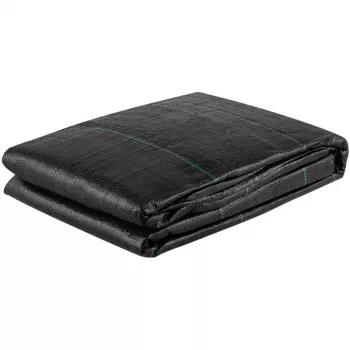
- Heavy Duty Geotextile Fabric Weed Barrier for Driveways & Landscaping – 12.5×50 ft ($42.97): Designed for separation and weed-control applications where drainage matters.
- Mini Pocket DAB/DAB+ FM Radio MP3 Player with Speaker & Rechargeable Battery ($42.67): A compact option for long outdoor work sessions when you want music or radio on-site.
FAQ
Can a geotextile weed barrier be used under a gravel driveway?
Yes. Installed between the soil and the aggregate, it helps reduce mixing, rutting, and muddy spots. Use proper overlap, secure pinning, and enough gravel depth so vehicle loads are distributed.
How much overlap is needed for seams?
Plan on 6–12 inches for landscape beds and paths, and about 12–18 inches for driveways or higher-traffic areas. Increase overlap on soft soils, slopes, or places that see turning tires.
Do weeds still grow with fabric installed?
They can, especially when windblown seeds land in debris that builds up on top of the fabric. Keeping a sufficient mulch/rock layer and removing accumulated fines helps prevent weeds from rooting above the barrier.














Leave a comment