8-Cup Digital Rice Cooker & Steamer with Rinse Basket
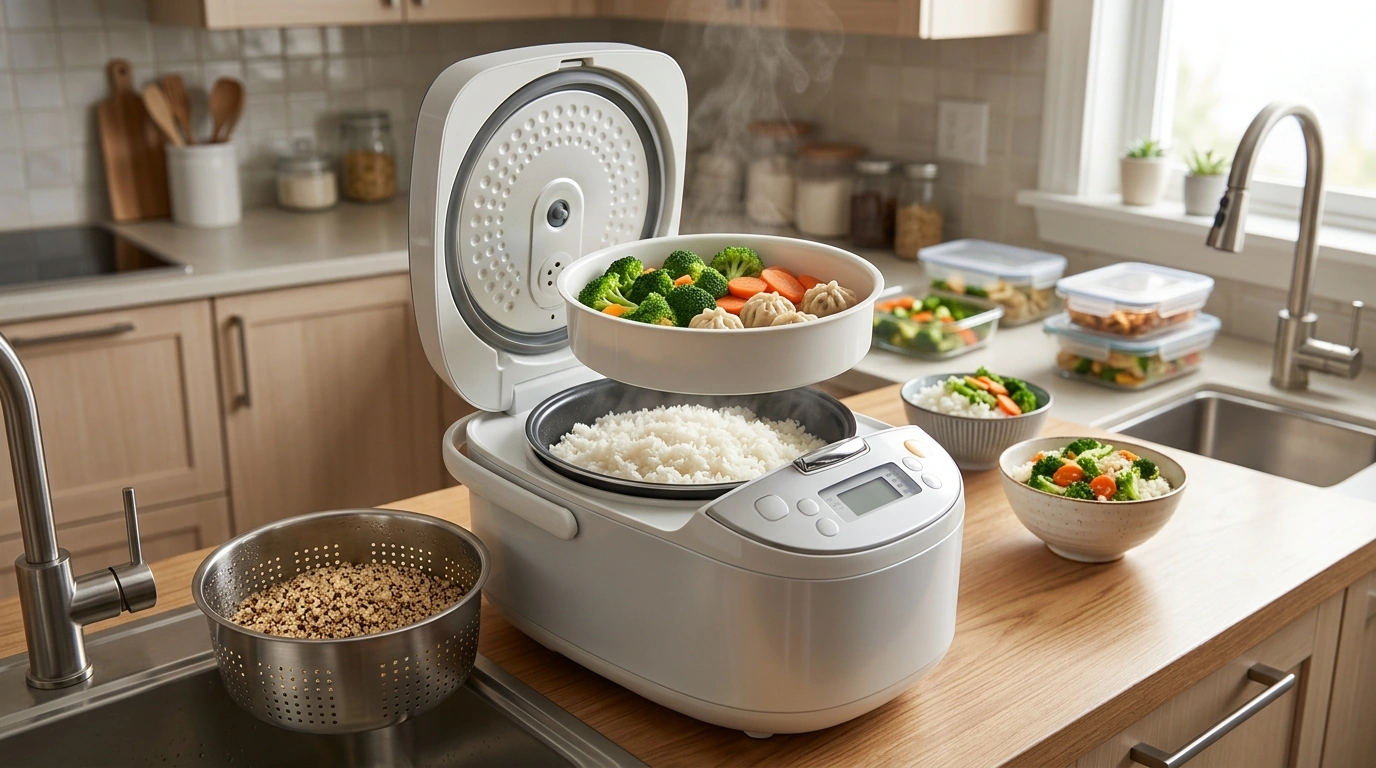
8-Cup Digital Programmable Rice Cooker & Steamer with Rinse Basket
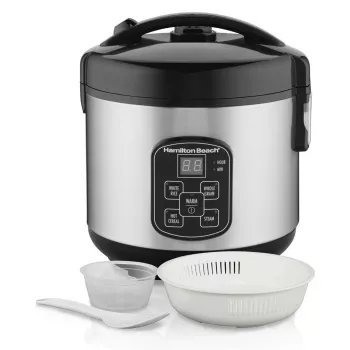
A dependable rice cooker should handle weeknight staples, meal prep, and simple steaming without fuss. The 8-Cup Digital Programmable Rice Cooker & Steamer with Rinse Basket pairs set-and-forget digital cooking with a rinse basket that helps streamline prep for rice, grains, and more—so you can go from pantry to plate with less juggling and fewer dishes.
What This Cooker Is Designed to Do
- Cook everyday rice textures consistently with digital, timed operation.
- Steam vegetables, dumplings, and proteins while rice cooks below (when using the steamer function/accessories as included).
- Simplify grain prep with a rinse basket to drain water efficiently before cooking.
- Support batch cooking for families, meal prep, and potlucks with an 8-cup capacity.
Quick Facts at a Glance
If you’re upgrading from a basic one-switch model, digital controls can reduce guesswork and help keep results repeatable. The rinse basket is a small add-on that makes a big difference when rinsing rice or quinoa at the sink.
| Detail | What to Know |
|---|---|
| Product | 8-Cup Digital Programmable Rice Cooker & Steamer with Rinse Basket |
| Type | Digital programmable rice cooker with steaming capability |
| Included highlight | Rinse basket for draining after rinsing grains |
| Best for | White rice, brown rice, grains, steaming vegetables and more |
| Current price | $54.67 USD |
| Availability | In stock |
Why the Rinse Basket Matters
Rinsing grains isn’t complicated, but it can be annoying: sloshing water in the cooking pot, balancing a lid to drain, or grabbing a separate strainer and making more to wash. A rinse basket is meant to turn that routine into a simple, repeatable workflow.
- Cleaner workflow: rinse, drain, and transfer without juggling a pot lid or separate strainer.
- More even results: rinsing can remove excess surface starch, which may reduce gumminess for some rice types.
- Useful beyond rice: works well for quinoa, farro, and lentils that benefit from a quick rinse.
- Less cleanup: fewer extra bowls and strainers on busy nights.
Everyday Cooking Uses
This is the kind of countertop appliance that earns its keep when it makes common meals easier—not just special-occasion recipes. An 8-cup capacity is a practical middle ground: enough for family dinners and leftovers, without being oversized for regular weeknights.
- Weeknight rice bowls: cook rice while steaming broccoli or mixed vegetables for fast, balanced plates.
- Meal prep: make a larger batch of rice or grains for multiple meals (stir-fries, burrito bowls, salads).
- Simple steamed sides: steam carrots, green beans, or dumplings without turning on the stove.
- Warm holding: keep rice ready for serving during family dinners (avoid holding for excessively long periods).
How to Use It Smoothly (Practical Workflow)
A few small habits can make the difference between “it works” and “it’s effortless.” This workflow keeps prep tidy and helps protect texture.
- Measure and rinse: measure rice/grains and rinse in the rinse basket until water runs clearer (as preferred for the grain type).
- Drain well: shake off excess water, then add grains to the cooking pot and fill to the appropriate water line or recipe ratio.
- Choose the program: select the cooking program and start; avoid lifting the lid repeatedly during cooking.
- Steam with intention: for steaming, add water as directed and place foods in the steaming tray/basket; cut items to uniform sizes for even doneness.
- Rest, then fluff: after cooking, allow a short rest before fluffing rice to improve texture and reduce clumping.
Timing tip: when steaming while rice cooks, add delicate items later if possible, since quick-cooking vegetables can soften faster than the rice finishes.
Cleaning and Care
Keeping a rice cooker fresh mostly comes down to quick, consistent cleanup—especially after starch-heavy batches.
- Let the unit cool before cleaning; unplug and wipe the exterior with a damp cloth.
- Wash the removable cooking pot and rinse basket with mild soap and a soft sponge to protect coatings.
- Rinse and dry accessories completely to prevent odors and moisture buildup.
- Avoid abrasive scrubbers and harsh cleaners that can damage nonstick surfaces.
- If starch residue forms, soak briefly in warm soapy water before wiping clean.
Food Safety Notes for Cooked Rice
Cooked rice is convenient, but it should be handled like other leftovers: cool it promptly, store it safely, and reheat it thoroughly. For storage and leftover guidance, refer to the USDA FoodKeeper App and USDA FSIS guidance on Leftovers and Food Safety.
- Cool leftovers promptly and refrigerate in shallow containers rather than leaving rice at room temperature for long periods.
- Reheat leftovers so they become thoroughly hot throughout.
- When in doubt about how long rice has been sitting out, discard it to reduce foodborne illness risk.
Where to Buy
Find full details, current pricing, and availability on the product page: 8-Cup Digital Programmable Rice Cooker & Steamer with Rinse Basket.
More In-Stock Picks
- Wireless Bluetooth Backlit Number Pad for Apple Devices (great for spreadsheets, budgeting, and quick data entry).
- Apple Watch Silicone Sport Strap (an easy swap for workouts and everyday wear).
- Mini Pocket DAB/DAB+ FM Radio MP3 Player with Speaker & Rechargeable Battery (compact listening at home or on the go).
FAQ
Does an 8-cup rice cooker mean 8 cups cooked or uncooked?
“8-cup” often refers to cooked capacity, but conventions vary by brand and the included measuring cup may not equal a standard U.S. cup. Check the unit’s markings and manual so you’re measuring in the way the cooker is designed for.
Is rinsing rice necessary when using a rice cooker?
Rinsing is optional, but it can remove excess surface starch and may improve texture for some varieties. If using enriched rice, keep in mind rinsing can wash away added nutrients.
Can the steamer be used while cooking rice?
Typically yes: rice cooks in the pot while vegetables or proteins steam in the tray above. For best results, add delicate foods later or cut items uniformly so everything finishes close to the same time.













Leave a comment