6CH RC Fighter Plane: EPP Foam Glider for Beginners
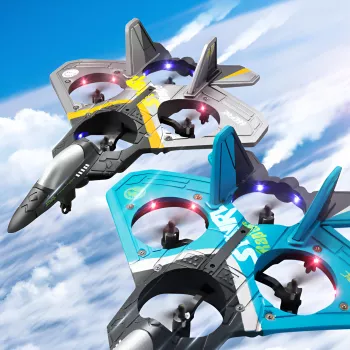
Remote Control RC Airplane 6CH Fighter Toy: EPP Foam Glider Fun for New Pilots
For a gift that gets kids outside and learning real control skills, a lightweight RC airplane is hard to beat. This 6CH fighter-style RC plane pairs a 2.4G control system with an EPP foam airframe—two choices that make it easier to enjoy, easier to share with friends, and more forgiving when practice landings get a little bumpy.
What makes this RC plane a smart first “real” flyer
Plenty of beginner RC planes are fun for an afternoon, but they can feel limiting once you’ve mastered simple steering. Our team likes this style because it’s designed to grow with you while still keeping the learning curve friendly.
- 6-channel control: You’re not stuck with “only turns.” You can build skills gradually instead of hitting a ceiling after the first weekend.
- 2.4G control system: This helps reduce interference compared with older-style controllers, which matters when multiple people are flying nearby.
- EPP foam airframe: A popular material for training and casual flying because it’s lightweight and resilient for everyday use.
- Fighter-style profile: You get the excitement of a jet-like look and feel without treating it like a fragile display model—this is meant for hands-on practice.
- Built for outdoor family time: Short sessions in an open field naturally build coordination, patience, and confidence without screens.
If you’re ready to get started, you can find it here: Remote Control RC Airplane 6CH Fighter Toy, 2.4G EPP Foam Glider, Kids Gift.
How to set up a first flight day (simple and low-stress)
A smooth first outing usually comes down to choosing the right place and keeping the plan basic. You’ll learn more from three calm, controlled minutes than from one chaotic “send it” launch.
- Pick the right spot: Aim for a wide, open area away from roads, trees, and crowds. Short grass is easier for takeoffs and landings than gravel.
- Start with calm weather: Light wind makes learning much easier and helps prevent sudden stalls while turning.
- Do a quick pre-flight check: Make sure the airframe is secure, moving parts respond correctly, and the controller feels comfortable in your hands.
- Plan a short first session: Try straight passes and gentle turns first; save tighter turns and faster maneuvers for later.
- Use a spotter if possible: One person flies while another watches the surroundings, especially in parks.
First-flight checklist
| Step | What to check | Why it matters |
|---|---|---|
| Location | Open space, clear landing area | Reduces crash risk and keeps flying safer for others |
| Wind | Calm to light breeze | Makes control inputs predictable for beginners |
| Controls | Correct response on all directions | Prevents confusing reversals after takeoff |
| Battery | Charged and installed securely | Avoids sudden power loss and hard landings |
| Flight plan | Wide circles, gradual turns | Builds confidence without overstressing the airframe |
Why EPP foam is a big deal for kids and beginners
EPP foam changes the entire learning experience because it encourages repetition. When your plane can handle the normal bumps that happen during practice, you fly more often—and you improve faster.
- More forgiving landings: EPP foam is commonly chosen for models meant to be flown often, not babied.
- Lower downtime: Minor bumps that would crack brittle plastics typically cause less damage, so practice can continue.
- Comfortable handling: The lightweight feel makes it easier to carry to the park and less intimidating to set up.
- A better learning loop: Frequent short flights—takeoff, a few turns, landing—build skills faster than chasing “one perfect flight.”
Getting the most out of 6-channel control as skills improve
Six channels may sound like “more than you need,” but you don’t have to use everything on day one. The best approach is to layer skills in a way that keeps flights calm and controlled.
- Begin with the basics: Practice steady climbs, level flight, and smooth turns before attempting sharper maneuvers.
- Learn orientation early: Fly big rectangles and figure-eights so left/right control stays intuitive when the plane turns back toward you.
- Increase difficulty gradually: Once landings are consistent, work on smoother throttle changes and more precise approaches.
- Make “fighter-style” flying a goal: Fast passes and tighter turns are more fun after fundamentals are reliable.
- Turn practice into a game: Count clean landings, aim for smooth circles, or set up bright markers to fly around (with plenty of space).
A practical gift guide: who this is best for
Safety and responsible flying basics
For additional guidance, you can review the FAA’s recreational flyers information here: https://www.faa.gov/uas/recreational_flyers and the Academy of Model Aeronautics safety handbook here: https://www.modelaircraft.org/safety-handbook.
Recommended add-ons and simple upgrades (no guesswork required)
If you like bringing entertainment to the park between flights, our team also keeps compact audio on hand for breaks: Mini Pocket DAB/DAB+ FM Radio MP3 Player with Speaker & Rechargeable Battery.
FAQ
Is a 6-channel RC airplane too advanced for kids?
No—kids can start with gentle inputs and simple straight-and-level flying, then use the extra channels as their comfort grows. Supervision helps, and choosing a calm day in a wide open area makes early flights far more manageable.
What’s the benefit of 2.4G control for an RC airplane?
2.4G systems are designed to reduce interference compared with older controller setups, which helps keep control steadier in typical park environments. It’s also more convenient when other people are flying nearby.
How do you practice landings without breaking the plane?
Use wide, gradual approaches in low wind and aim for smooth descents onto soft grass rather than trying to “drop it in.” EPP foam helps with the normal bumps of learning, but consistent, gentle landings are still the goal.













Leave a comment