Wood Furniture Care: Weekly Cleaning + Seasonal Refresh
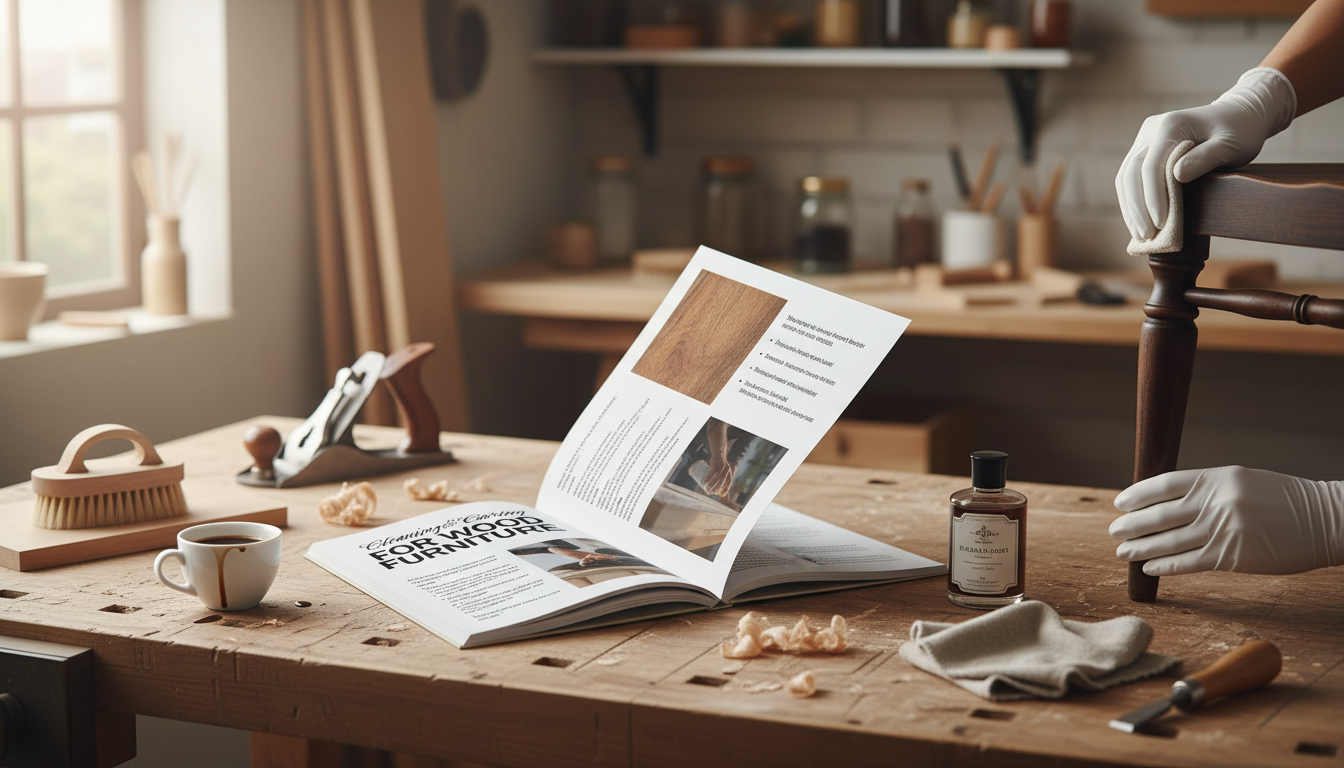
Cleaning and Caring for Wood Furniture: A Practical Routine for Lasting Beauty
Wood furniture holds up best when it’s treated like a long-term material—one that benefits from light, consistent care more than occasional “deep clean” overhauls. A simple routine can keep surfaces clear, joints stable, and finishes bright, while reducing the need for heavy restoration later. Below is a practical approach for weekly cleaning, seasonal upkeep, and straightforward fixes for common problems like haze, rings, and minor scratches.
Start With the Basics: Identify Wood Type and Finish
Before using any cleaner or repair trick, take a minute to understand what you’re working with. The right method for a solid oak table can be the wrong move for a veneered dresser.
1) Confirm the material: solid wood, veneer, or laminate
Solid wood is generally more forgiving, but it still reacts to moisture and humidity swings. Veneer (a thin layer of real wood over a substrate) needs extra caution around edges and seams—too much liquid can seep in and cause lifting. Laminate is the most moisture-tolerant on the surface, but seams and edges can still swell if water gets underneath.
2) Identify the finish before you polish or “restore”
Common finishes include oil, wax, shellac, lacquer, polyurethane, and paint. If you’re unsure, test any product or method on a small hidden spot (inside a leg, under a tabletop lip) and let it dry fully. Some finishes can soften, cloud, or become sticky when exposed to the wrong solvent or repeated heavy polishing.
3) Map the trouble spots
Make note of water rings, haze, sticky residue, scratches, sun fading, and loose joints. This helps you prioritize what needs attention now versus what can wait for a seasonal refresh.
Weekly Cleaning That Won’t Damage the Finish
Weekly care should be gentle and consistent. The goal is to remove dust and skin oils without adding moisture or leaving product buildup behind.
Dust first (and do it the right way)
Use a clean microfiber cloth and light pressure. Fold the cloth into quarters and rotate to a fresh side often—this keeps captured grit from acting like sandpaper.
For smudges: barely damp, then immediately dry
If fingerprints or sticky spots show up, use a cloth that’s only slightly damp with water, wipe the area, and then dry right away with a second cloth. Standing moisture is a common cause of whitening, swelling, and edge damage—especially on veneer.
Avoid harsh sprays and DIY mixes that can dull finishes
Many all-purpose cleaners, ammonia products, vinegar-heavy solutions, and abrasive pads gradually soften or haze finishes. If you want lower-toxicity options, look for products recognized by the U.S. Environmental Protection Agency — Safer Choice program and still test first.
| Task | Do | Avoid |
|---|---|---|
| Dusting | Microfiber cloth, light pressure | Feather dusters that redistribute dust |
| Spot cleaning | Water lightly dampened cloth + immediate dry | Soaking, steaming, leaving wet spots |
| Product use | Test in a hidden area first | Unknown silicone-heavy polishes that build residue |
| Detail areas | Soft brush, gentle strokes | Hard bristles, scraping tools |
Clean carved details without snagging
Use a soft, clean paintbrush or detailing brush to lift dust from grooves and carvings. Brushing is often safer than rubbing in tight spaces where a cloth can catch and pull.
Dealing With Residue, Sticky Film, and Dullness
When wood looks “dirty” even after dusting, it’s often not dirt—it’s residue. Repeated polish layers can attract grime and create a sticky film that dulls the surface.
Remove buildup gently and in small sections
Cloudiness after cleaning: moisture or worn finish?
For museum-style best practices on handling and care, the Smithsonian Museum Conservation Institute and the National Park Service Conserve O Grams provide helpful, conservative guidance that favors minimal intervention.
Protection Habits That Prevent Most Damage
Block heat and moisture
Reduce micro-scratches
Control sun and airflow
Maintain stable indoor humidity when possible
Common Issues and Simple Fixes
Water rings (white marks)
Scratches
Dents
Loose joints
Seasonal Maintenance: A 30-Minute Refresh Routine
Quarterly check
Twice a year
Before entertaining or moving furniture
A Step-by-Step Digital Guide for Care, Maintenance, and Restoration
If you want a structured routine you can repeat without second-guessing, Cleaning and Caring for Wood Furniture (digital download) lays out a clear process for weekly cleaning, seasonal refreshes, and troubleshooting common problems like rings, haze, and light scratches. It’s designed as a quick-reference companion with a printable checklist and a step-by-step flow for deciding what to do next.
To make upkeep easier day to day, some shoppers also like simple tools that support routines and tracking, such as a Wireless Bluetooth Backlit Number Pad for Apple Devices for quickly updating a maintenance checklist, or a Mini Pocket DAB/DAB+ FM Radio MP3 Player to keep a short “clean and reset” session moving.
Safety Notes Before Using Any Cleaner or Repair Method
FAQ
How often should wood furniture be polished?
Polishing too frequently can create residue and dull the finish over time. In most homes, regular dusting and occasional, finish-appropriate product use (only when the surface truly needs it) works better than a weekly polish routine.
What should never be used to clean finished wood furniture?
Avoid ammonia, abrasive pads, strong degreasers, excessive water, and steam cleaning, all of which can haze or soften finishes. When you do use a cleaner, choose one intended for finished wood and test it in a hidden spot first.
How can water rings be removed without refinishing?
White rings often come from moisture trapped in the finish and may respond to gentle, finish-safe ring-removal methods and careful buffing. Dark rings usually mean moisture reached the wood fibers, which can require deeper restoration steps or professional help depending on depth and value.
















Leave a comment