Small Closet Luxe Checklist: Declutter, Zone, Maintain
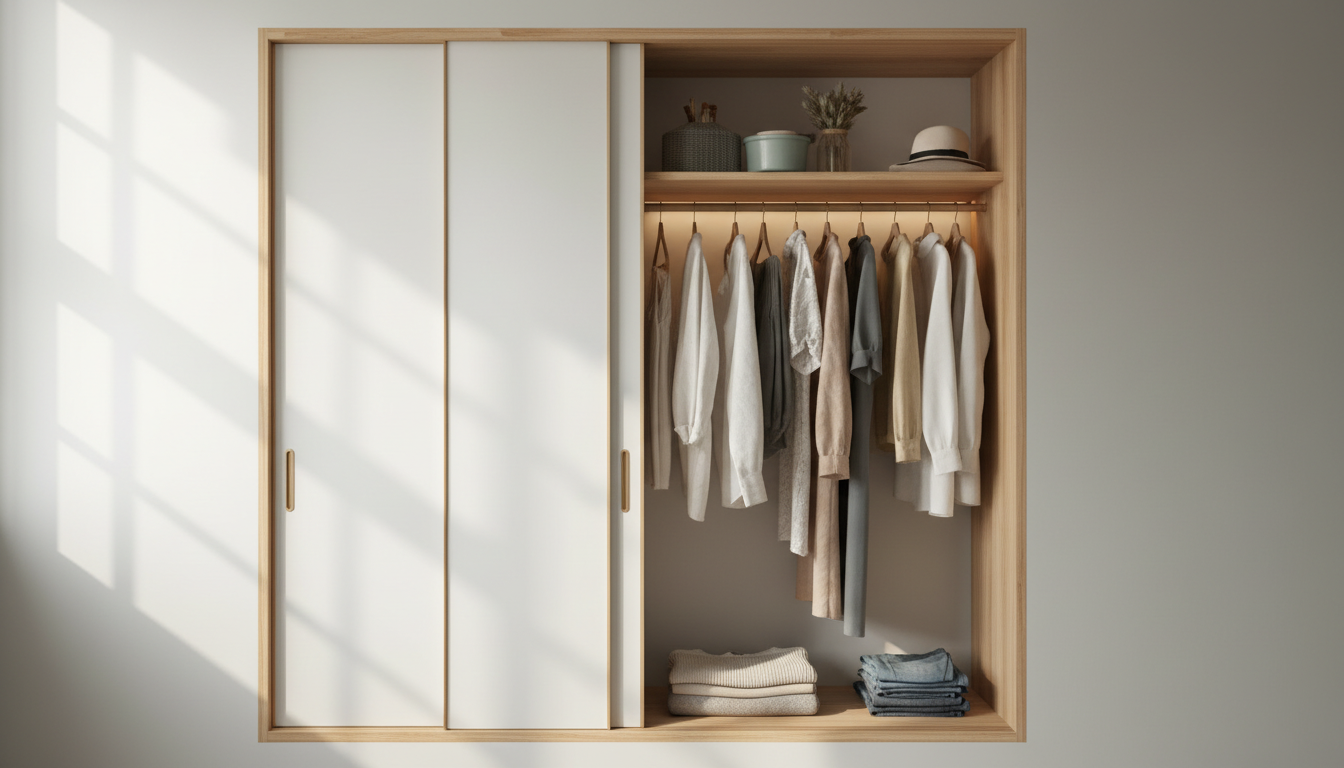
Luxe Hacks for Small Closets: A Practical Checklist for a Calm, Minimalist Wardrobe
Small closets can feel chaotic fast—especially when storage is limited, lighting is poor, and daily routines demand quick decisions. A luxe closet isn’t about expensive renovations; it’s about visibility, consistency, and systems that make every inch work harder. The goal is a space that looks calm, protects your clothes, and takes minutes (not hours) to maintain. For more guidance, see 45 Budget-Friendly Closet Organization Ideas.
The “luxe” standard: what a small closet should do for daily life
A high-end closet experience is really a high-function closet experience. In a small space, that means the layout does the thinking for you. For further reading, see 40 Things To Think About When Planning A Walk In Closet.
- Make outfits easy to see at a glance: clear categories, consistent hang direction, and a predictable layout reduce decision fatigue.
- Protect clothing quality: prevent shoulder bumps, creases, and fabric stress with the right hanger choices and spacing.
- Support a repeatable routine: a closet should be simple to reset in under 10 minutes, even on busy days.
- Reduce visual noise: align colors, consolidate packaging, and minimize mismatched storage bins for a clean, boutique-like feel.
For pro-level inspiration and organizing standards, the National Association of Productivity & Organizing Professionals (NAPO) is a solid reference point for systems that actually stick.
Quick reset: the 30-minute closet triage that clears space fast
When a closet is overwhelmed, organization won’t work until you remove the “landfill layer” (floor clutter, duplicates, and unloved pieces). Set a 30-minute timer and move fast.
- Start with a single surface: clear the closet floor first (shoes, bags, stray laundry), then move upward to shelves and hanging sections.
- Create four piles in plain sight: Keep, Tailor/Repair, Donate/Sell, Recycle/Trash (avoid “maybe” at this stage).
- Use the one-season rule for basics: if it wasn’t worn at least once in the last relevant season and it’s replaceable, release it.
- Stop duplicates from silently stealing space: keep one best version per category (black tee, white sneaker, denim jacket) and remove the rest.
- End with a tiny “decision later” bin: max 10 items, and set a reminder for 14 days—if you’re still unsure, donate.
If you prefer a structured, print-and-go flow, the Luxe Hacks for Small Closets Checklist (digital download) lays out the steps in a clean, repeatable sequence.
Minimalist wardrobe decluttering: a checklist that prevents regret
Minimalist wardrobes aren’t about having “less” for the sake of less—they’re about keeping what earns its space.
- Fit check first: anything that pinches, gaps, slides, or needs constant adjusting is rarely worth storing.
- Lifestyle alignment: keep what matches real life (work, errands, events), not an aspirational version that never shows up.
- Fabric and care reality: if an item requires special care that never happens, it becomes clutter; choose practical materials for repeat wear.
- Color strategy: limit your core palette to 2–4 neutrals plus 1–3 accent colors; it multiplies outfit combinations with fewer pieces.
- Sentimental items: store separately from daily wear (a small memory box or garment bag) so the main closet stays functional.
For extra motivation and practical examples, Good Housekeeping’s organizing tips can help you sanity-check what “easy to maintain” really looks like day to day.
Small-space storage solutions that feel high-end (without remodeling)
The fastest way to make a small closet feel more expensive is to standardize what you already have: hangers, containers, and how items are grouped.
High-impact upgrades for small closets
| Upgrade | Best for | Why it works | Common mistake to avoid |
|---|---|---|---|
| Matching slim hangers | Tops, light jackets, skirts | Frees rod space and creates visual uniformity | Keeping bulky plastic hangers for everyday items |
| Shelf dividers | Sweaters, denim, handbags | Stops stacks from toppling and wasting shelf depth | Overstacking beyond divider height |
| Clear bins or labeled boxes | Accessories, off-season items | Improves visibility and speeds up resets | Using opaque bins with no labels |
| Over-the-door hooks | Bags, robes, hats | Uses dead space without drilling | Overloading hooks so the door won’t close |
| Drawer organizers (or small trays) | Socks, underwear, jewelry | Prevents micro-clutter from spreading | Mixing categories in one compartment |
Closet zoning: a layout that keeps everything in reach
The weekly maintenance loop: how to keep it “done”
To make the routine easier to follow, a timer helps—especially for nightly resets and weekly edits. If you like time-blocking on your wrist, an Apple Watch Silicone Sport Strap can be a simple add-on for comfortable, everyday wear while you move around organizing.
Printable checklist flow: turn the process into a single, repeatable routine
For a ready-made routine you can repeat every season, grab the Luxe Hacks for Small Closets Checklist (digital download). If you prefer doing your planning digitally while you sort, a compact add-on like the Wireless Bluetooth Backlit Number Pad for Apple Devices can make quick inventory notes and category lists faster.
FAQ
What’s the fastest way to organize a small closet without buying new storage?
Clear the floor first, eliminate duplicates, and then zone by frequency of use so everyday items live at eye level. Unify hangers and group by category and color before adding bins or dividers.
How many clothes should a minimalist wardrobe have?
There’s no universal number; the right amount is whatever comfortably fits with breathing room and covers real weekly needs. A practical test is whether most items get worn each season and outfits come together without digging.
How can a closet stay organized when space is tight?
Use a maintenance loop: a quick nightly reset, a weekly mini-edit, and seasonal swaps so only the current season stays in the prime zone. Keep containers easy to lift and label, and protect capacity with a one-in/one-out rule.














Leave a comment