Heat + Variable Speed Handheld Massager: Relief Guide
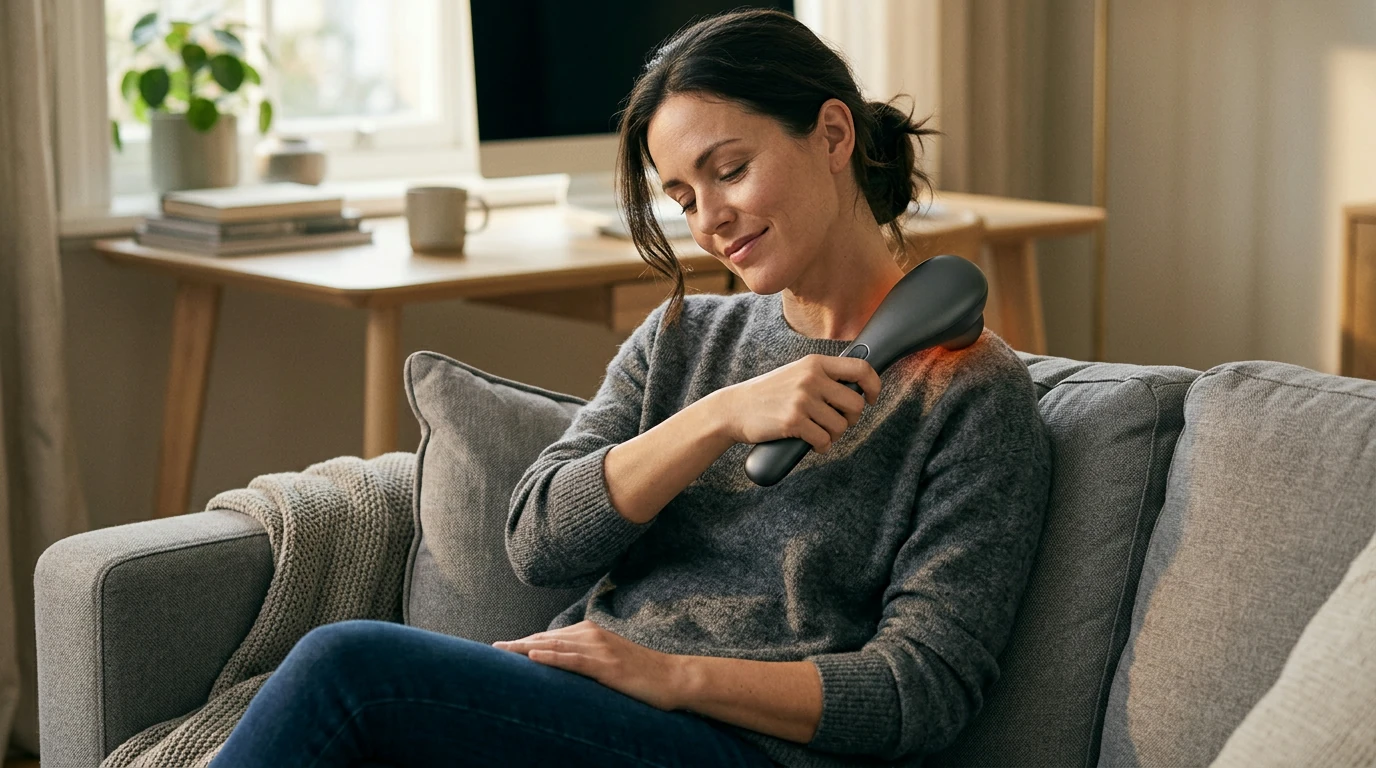
Handheld Chiropractic Massager with Heat & Variable Speed for Muscle Relief
Daily stiffness doesn’t always call for a full reset—sometimes it needs a targeted tool that fits into real life. Our Handheld Chiropractic Massager with Heat & Variable Speed for Muscle Relief is built for focused comfort: adjustable intensity for different muscle groups, plus soothing warmth to help unwind tight areas after long desk days, workouts, or hours on your feet. If you like hands-on control (where you place it, how much pressure you use, and how long you stay on a spot), a handheld massager can be one of the easiest ways to add quick, consistent body care to your routine.
Why this style of handheld massager earns a spot at home
- Quick, targeted relief without scheduling: you can focus on one problem area at a time—neck, shoulders, calves, or lower back—whenever it fits your day.
- An adjustable approach: variable speed helps you match the moment, whether you want a gentle recovery pass or a stronger post-activity session.
- Heat support: warmth is a simple add-on that often helps when muscles feel guarded, stiff, or “locked up.”
- Handheld control: you decide placement and pressure, which is useful for specific knots and tender trigger-point areas (without overdoing it).
Heat + variable speed: how to use the two features together
Heat and speed don’t need to compete. Used together, they can make your sessions feel smoother and more comfortable—especially when you start gently and build up.
- Start low, then build: begin at a lower speed for 30–60 seconds to let the area relax before increasing intensity.
- Use heat early for “tight” muscles: warmth can help tissues feel more pliable before deeper work.
- Switch speed based on body zone: the neck and upper traps typically do best with lighter settings; thighs and glutes often tolerate higher speed better.
- Short, repeated passes work well: try 1–2 minutes per muscle group, reassess, then repeat if needed—avoid staying on one spot too long.
If you’re deciding between heat or no heat on a given day, it helps to think of heat as comfort-focused (stiffness/guarding) and speed as refresh-focused (general muscle fatigue). For general guidance on massage safety and expectations, see the National Center for Complementary and Integrative Health (NCCIH) overview on massage therapy. For when heat makes sense versus cold, the Mayo Clinic guide to heat and cold therapy is a helpful reference.
Where it fits into common routines
- Desk-day reset: a few minutes on upper back and shoulders can help counter long periods of sitting and screen posture.
- Warm-up prep: brief, light passes can help muscles feel “awake,” not worn out—keep this part short and easy.
- Post-workout recovery: moderate speed with heat can be a comfortable way to help muscles unwind after training.
- End-of-day wind-down: gentle, heat-forward sessions for calves, feet, or the lower back can feel especially nice before sleep.
Comfort and safety guidelines (simple, practical habits)
- Keep it moving: glide slowly across the muscle rather than pressing hard in one fixed point.
- Stay off sensitive areas: avoid direct use on bony points (spine, kneecap), the front of the neck/throat, and bruised or inflamed skin.
- Use time limits: treat each area in short intervals and take breaks—more intensity is not always better.
- Listen for “good pressure”: aim for relief, not sharp pain, numbness, or tingling; stop if discomfort increases.
- Health considerations: check with a clinician before use if you’re pregnant, on blood thinners, or managing circulatory or nerve conditions.
Specs and buying checklist at a glance
When you’re choosing a handheld massager, it helps to prioritize the features you’ll actually use consistently—especially if your goal is short daily sessions rather than occasional long ones.
| Body area | Suggested start | When to add heat | Session tip |
|---|---|---|---|
| Neck/upper shoulders | Low speed | If stiffness is present | Use light pressure and keep the device moving |
| Upper back | Low–medium speed | Early in session | Slow passes along muscle, avoid spine |
| Lower back | Low–medium speed | If muscles feel tight/guarded | Work the muscles beside the spine, not directly on it |
| Glutes/thighs | Medium speed | Optional for comfort | Broader, longer passes; increase speed gradually |
| Calves/feet | Low–medium speed | Great for end-of-day comfort | Short intervals; avoid sensitive Achilles area |
Care, storage, and making it last
Product picks from our shop
- Handheld Chiropractic Massager with Heat & Variable Speed for Muscle Relief ($120.47) — adjustable intensity plus warming comfort for short daily sessions.
- Wireless Bluetooth Backlit Number Pad for Apple Devices ($32.51) — a practical add-on if you’re tightening up from long stretches of desk work and want an easier input setup.
- Apple Watch Silicone Sport Strap ($2.01) — a simple swap for training days and recovery walks when you want a comfortable, easy-clean band.
FAQ
How long should a session be with a handheld massager that includes heat?
Aim for short intervals per area—about 1–2 minutes—then reassess before doing another pass. Keep the device moving rather than holding it in one spot, and stop if soreness increases instead of improving.
Can variable speed be used on the neck and shoulders?
Yes, but start on the lowest speed with light pressure and slow movement. Avoid the front of the neck and bony areas, and only increase speed if it stays comfortable and feels relieving.
When should heat be used versus speed alone?
Use heat when muscles feel stiff or guarded, especially early in the session to help the area relax. Choose speed-only when you want a quick refresh or when warmth isn’t comfortable or needed.












Leave a comment