Hanging Hammock Swing Chair Guide: Setup, Safety, Care

Hanging Hammock Swing Chair: A Comfortable Seat for Indoors and Outdoors
A hanging hammock swing chair creates a relaxed, floating seat that fits small spaces while still feeling like a full lounge spot. With the right placement, hardware, and care, it can become a favorite reading nook on a porch, patio, or in a quiet corner indoors—offering gentle motion, a cozy “cocoon” feel, and a surprisingly calming way to sit.
What a Hanging Hammock Swing Chair Is (and How It Feels to Use)
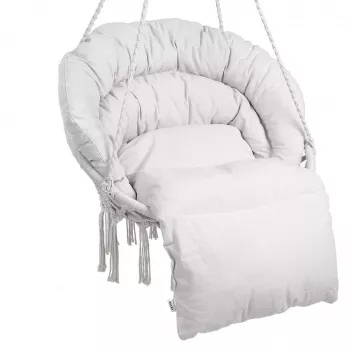
A hanging hammock swing chair is a suspended, single-seat hammock designed for gentle rocking and weightless comfort. Instead of stretching out like a full-length hammock, you sit upright (or semi-reclined) while the fabric supports your hips and back, creating a secure, cradled sensation.
- Suspended comfort: The seat hangs from a single point (or a short spread), allowing smooth rocking without needing a lot of floor space.
- Common setups: Ceiling hook, wall/beam mount, a freestanding hammock stand, or a sturdy tree branch outdoors.
- Everyday uses: Reading, lounging, a calming sensory corner, porch seating, or a dorm/apartment relaxation spot.
- Easy entry and exit: The movement is typically more controlled than a full hammock, so it’s easier to sit down and stand up.
Where It Works Best: Placement Ideas for Home, Porch, and Yard
Placement determines how comfortable the chair feels day to day. A great spot has enough clearance for the swing arc, keeps the chair away from foot traffic, and provides a convenient place to set a drink or book.
- Indoors: Pick a room with enough swing clearance so you won’t bump walls, lamps, shelves, or picture frames.
- Outdoors: Covered patios and porches reduce weather exposure, helping fabrics and hardware last longer.
- Keep paths clear: Avoid placing the chair where someone might walk into the swing’s path.
- Add a side surface: A small side table (or a stable stool) helps keep essentials within reach without balancing items on the seat.
- Mind the sun: Near a window or on a bright patio, rotate or shade the chair to reduce fading over time.
Quick placement checklist
| Location | What to check | Common add-ons |
|---|---|---|
| Ceiling/beam mount | Solid structural member; safe swing clearance | Swivel, spring, chain/strap extension |
| Porch beam | Weather protection; corrosion-resistant hardware | Outdoor cushion, cover, anti-rust carabiners |
| Hammock stand | Stable footprint; level ground | Floor mat, stand weights (if needed) |
| Tree branch | Healthy branch; no cracks; adequate height | Tree strap, weatherproof pillow |
Comfort and Support: What Makes a Swing Chair Relaxing
Not all hanging swing chairs feel the same. Small differences in seat depth, back height, and fabric type can change whether the chair feels like a casual seat or a true lounge retreat.
- Seat shape: A deeper seat supports hips and creates a more “cocooned” feel; flatter seats feel more chair-like and upright.
- Back support: For longer lounging sessions, look for a design that supports up toward the shoulder blades.
- Breathability: Woven and cotton-style materials often feel softer; some synthetic weaves dry faster and handle damp conditions better outdoors.
- Add-ons that change everything: A seat cushion, lumbar pillow, footrest stool, or lightweight throw blanket can quickly turn a simple swing into a nap-friendly nook.
- Color considerations: In shared spaces, neutral tones tend to blend more easily with both indoor decor and outdoor furniture.
Safe Hanging and Weight Handling Basics
Safety starts with the mounting point and the hardware. Because a swing chair moves, forces can spike beyond body weight—especially with bouncing, twisting, or sudden shifts—so using properly rated components is essential.
- Use hardware rated well above expected load: Account for dynamic movement, not just static weight.
- Mount into structure: Whenever possible, mount into a structural wood joist/beam or use an anchor designed for the mounting material (such as concrete).
- Check clearance: Ensure room for forward/back swing and side-to-side rotation, especially if using a swivel.
- Inspect before use: Look for fraying ropes/straps, loose knots, bent connectors, and rust.
- Kids and spinning: Supervise children and discourage excessive twisting, which can accelerate wear and lead to abrupt spinning.
For general safety guidance and product recalls, review consumer safety information from the U.S. Consumer Product Safety Commission (CPSC). For wood structure and fastening fundamentals, the American Wood Council is a helpful reference point.
Weather, Cleaning, and Long-Term Care
A hanging hammock swing chair can last through many seasons with a simple care routine. The goal is to prevent moisture problems, reduce UV exposure, and catch wear early before it becomes a failure point.
Choosing the Right Setup for Your Space
Product Options to Complete Your Cozy Nook
- Hanging Hammock Swing Chair ($93.47) — a ready-to-use option for creating a cozy suspended seat indoors or outdoors.
- Mini Pocket DAB/DAB+ FM Radio MP3 Player with Speaker & Rechargeable Battery ($42.67) — a compact way to add music or talk radio to a porch or reading nook without needing a full speaker setup.
- Wireless Bluetooth Backlit Number Pad for Apple Devices ($32.51) — handy for quick budgeting, spreadsheets, or light admin work when using your swing chair as an occasional laptop spot.
FAQ
Can a hanging hammock swing chair be installed in a ceiling?
Yes, as long as it’s mounted into a solid structural joist or beam using properly rated hanging hardware. Avoid drywall-only anchors, and confirm you have enough clearance for the swing arc.
Is a stand better than drilling into a beam?
A stand is ideal for renters, frequent rearranging, or avoiding structural work. Beam or ceiling mounting saves floor space and can look cleaner when installed correctly.
How often should the ropes and hardware be checked?
Do a quick visual check before regular use and a more thorough inspection monthly (or more often for outdoor setups). Look for fraying, loose connections, deformation, and rust.















Leave a comment