Cordless 30,000 RPM Nail Drill: Variable Speed Control Tips
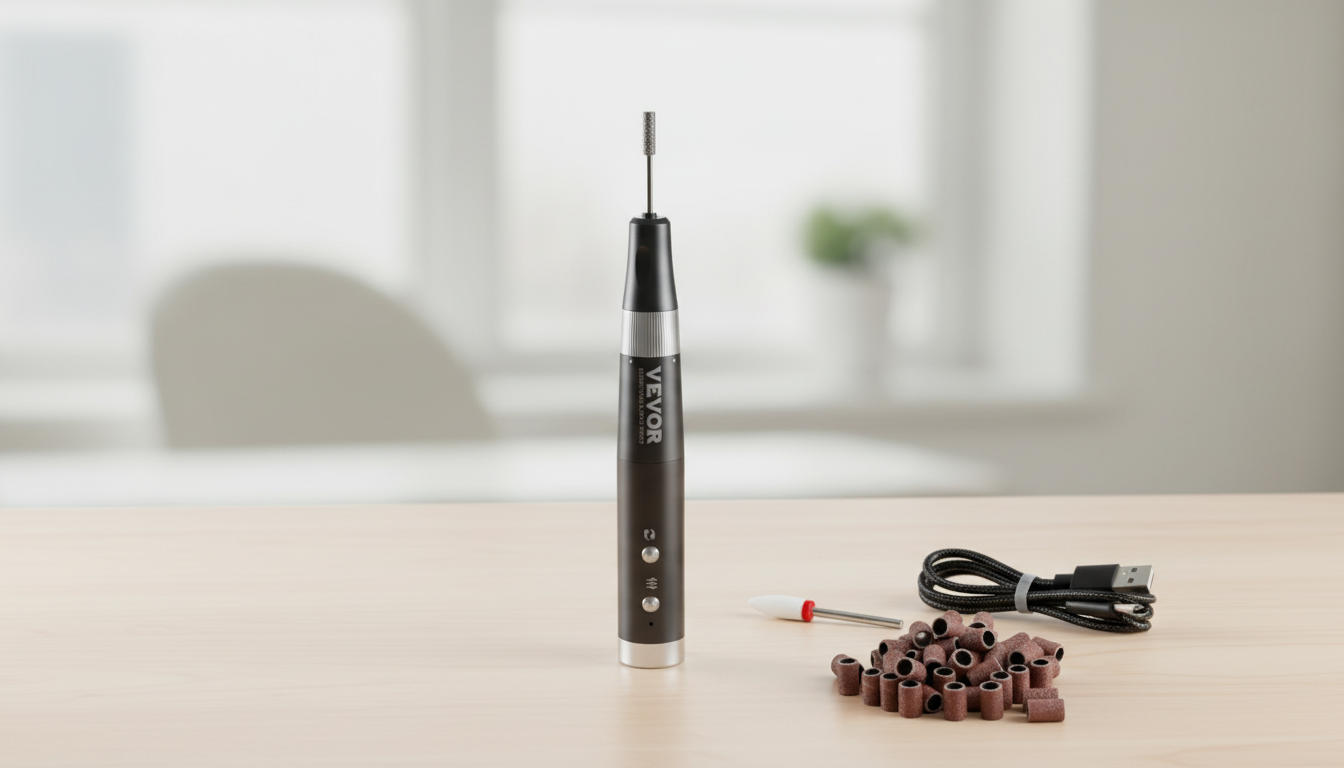
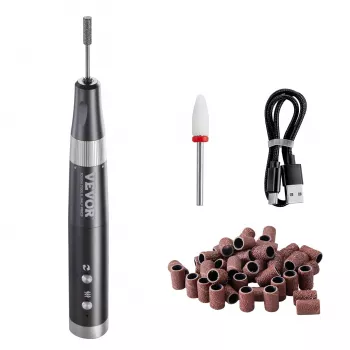
Cordless Electric Nail Drill 30,000 RPM with Variable Speed for Manicure & Pedicure
A cordless nail drill with adjustable RPM can make shaping, smoothing, and product removal faster and more consistent—without being tied to an outlet. The key is matching speed, bit type, and technique to the service (manicure vs. pedicure) and the material (natural nail, gel, acrylic, callus care). With a wide range up to 30,000 RPM, controlled power matters more than max speed: steady rotation, predictable ramp-up, and comfortable handling help you work efficiently while minimizing heat and over-filing.
What 30,000 RPM and Variable Speed Mean in Real Use
RPM is the rotation speed of the bit. Higher ranges can reduce product faster, but only when paired with proper bit choice, light pressure, and constant movement. Variable speed is what turns a high-powered drill into a practical one: you can slow down for precision near the cuticle area and increase RPM for bulk removal on enhancements or for tougher pedicure smoothing.
A wide speed range is most useful when it feels controllable—smooth ramp-up, stable torque, and consistent rotation reduce “skips” that cause uneven removal. For comfort and safety, prioritize predictable control over chasing top speed.
Practical RPM Ranges by Task (General Guidance)
| Task | Typical RPM Range | Recommended Bit Type (Example) | Notes |
|---|---|---|---|
| Cuticle area clean-up | 3,000–8,000 | Small flame/ball or fine diamond | Use minimal pressure; keep the bit moving to avoid heat. |
| Natural nail prep (surface shine removal) | 5,000–10,000 | Fine sanding band or fine diamond | Aim for a light etch, not thinning the nail plate. |
| Gel polish removal (soft gel) | 10,000–18,000 | Carbide or ceramic (fine/medium) | Leave a thin base layer to protect the natural nail. |
| Acrylic/overlay debulk | 15,000–25,000 | Carbide (medium/coarse) | Work in zones; reduce bulk before refining. |
| Pedicure smoothing (dry skin areas) | 8,000–15,000 | Sanding cap/disc | Avoid over-filing; finish with finer grit. |
Features That Matter Most for Manicure and Pedicure Work
For everyday manicure and pedicure services, a cordless drill can feel like an immediate upgrade because you can adjust angles naturally—especially on toes—without cord drag pulling at your grip. Look for speed control that’s simple to adjust mid-service so you can shift from detailed cuticle work to faster removal without stopping and resetting your hand position.
Comfort is performance. A handpiece that feels balanced (not top-heavy) helps reduce wrist fatigue during longer removal or refinement sessions. Stable power delivery is also important: if the drill stalls when you apply a larger sanding band or remove thicker product, it can lead to uneven reduction and extra friction. Lower vibration and manageable noise improve control and client comfort, particularly in mid-to-high RPM ranges where an unsteady feel can make you unconsciously press harder.
Finally, don’t overlook battery habits. A predictable run-time and straightforward charging routine help keep performance consistent across sessions, instead of gradually weakening near the end of a service.
Bit and Grit Basics: Getting Smooth Results Without Over-Filing
Bits do the cutting; RPM only changes how quickly the bit does it. The cleanest results come from matching bit type and grit to your goal, then using a step-by-step progression rather than trying to do everything with one aggressive bit.
- Sanding bands: Great for refining, smoothing, and shaping. Use finer grits for natural nails and finishing steps to avoid removing too much of the nail plate.
- Carbide/ceramic bits: Efficient for gel and acrylic removal. Choose fine or medium cuts for more control, especially if you’re still building technique.
- Diamond bits: Common for detailed work around cuticles and sidewalls. Keep RPM conservative and pressure light for safe, precise cleanup.
- Size matters: Smaller bits are easier to control in tight zones; larger barrels can speed up surface reduction on enhancements.
Heat control is mostly technique. Keep the bit moving, use less pressure than you think you need, and lower RPM when you’re near sensitive areas. Worn abrasives also generate more friction—fresh sanding bands and well-maintained bits make a noticeable difference.
Safe Technique Checklist (Especially at Higher RPM)
For additional hygiene and safety context, review general nail care and sanitation guidance from the CDC, consumer nail hygiene updates from the U.S. FDA, and workplace infection-control considerations from OSHA.
Care, Cleaning, and Storage for Long-Lasting Performance
When This Cordless 30,000 RPM Drill Is a Good Fit
Product Snapshot
Cordless Electric Nail Drill 30,000 RPM with Variable Speed for Manicure Pedicure is priced at $68.97 (USD) and is currently in stock.
| Detail | Value |
|---|---|
| Max speed | 30,000 RPM |
| Speed control | Variable |
| Use cases | Manicure, pedicure, product removal, shaping, smoothing |
| Power style | Cordless (rechargeable) |
More in-stock picks
- Apple Watch Silicone Sport Strap
- Mini Pocket DAB/DAB+ FM Radio MP3 Player with Speaker & Rechargeable Battery
FAQ
Is 30,000 RPM too fast for natural nails?
30,000 RPM is more speed than natural nails typically require. For natural nail prep and refining, use lower RPM with fine grit, keep the bit moving, and save higher speeds for product removal tasks where the natural nail is protected.
What RPM is best for removing gel polish at home?
A mid-range RPM is commonly used with a fine-to-medium removal bit, increasing only as needed for smooth cutting without pressure. Leave a thin layer of product behind and finish with a fine grit at lower speed to protect the natural nail.
Why does a nail drill feel hot during use?
Heat usually comes from friction: pressing too hard, staying in one spot, using a worn abrasive, or running too high RPM for the bit and area. Reduce pressure, keep moving, switch to a fresh band or sharper bit, and lower speed near sensitive zones.













Leave a comment