Cat Tree Buying Guide: Stable, Cozy Picks for Cats
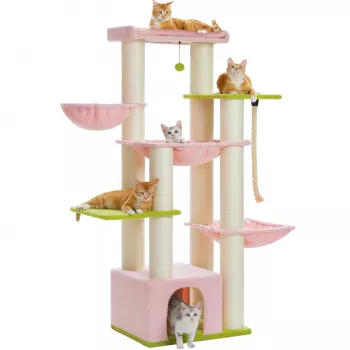
Choosing the Right Cat Tree for Comfortable Climbing, Scratching, and Lounging
A good cat tree gives cats vertical territory, stable scratching surfaces, and cozy resting spots—all while helping protect furniture. The best choice depends on your cat’s size, activity level, and where the tree will live, with stability and materials making the biggest difference for daily use.
What a Cat Tree Should Provide
Cats use height, texture, and hideaways to feel secure and satisfied at home. A well-designed cat tree supports natural behaviors and makes it easier to steer scratching and climbing toward a dedicated spot.
- Vertical space for climbing and perching to support natural exploratory behavior
- Dedicated scratching areas to help maintain claw health and redirect scratching from furniture
- Comfortable rest zones such as condos, hammocks, and top beds for naps and observation
- Play elements (dangling toys, tunnels) that encourage movement and enrichment
- Stability: a tip-resistant structure sized for your cat’s weight and jumping style
For more on home environment needs and enrichment, see guidance from International Cat Care (iCatCare).
Sizing and Stability: The Non‑Negotiables (Especially for Bigger Cats)
If there’s one “make-or-break” factor, it’s steadiness. A tall tree that wobbles often gets ignored, while a stable tree becomes a daily hangout and scratching station.
- Base width and footprint matter more than height for preventing wobble.
- Heavier cats need thicker posts, larger platforms, and reinforced joints.
- Look for wide perches (enough for your cat to lie fully stretched) and roomy condos.
- If your cat leaps hard or plays rough, prioritize weight capacity and anti-tip design (or wall anchoring when available).
- Place the tree on a level surface; soft carpeting can increase sway if the base is narrow.
Quick sizing guide by cat type
| Cat type | Platform/bed size | Post thickness | Recommended height |
|---|---|---|---|
| Kittens / small adults | Small to medium platforms; snug condo | Standard | Medium height for confidence building |
| Average adult cats | Medium to large platforms; at least one high perch | Standard to sturdy | Medium to tall for vertical territory |
| Large or heavy cats | Large, wide platforms; oversized condo/bed | Thicker, heavy-duty | Medium to tall only if base is wide and stable |
Materials That Hold Up: Posts, Fabric, and Build Quality
Materials determine whether a cat tree still feels “worth using” after months of scratching and shedding. Focus on the parts your cat will touch most: scratch posts, sleeping surfaces, and edges.
- Sisal rope or sisal fabric on posts typically lasts longer than thin carpeting for scratchers.
- Tighter rope wrapping and fully covered posts reduce early fraying and “bald spots.”
- Plush fabrics feel cozy but can snag; consider ease of cleaning if shedding is heavy.
- Check seams, staple placement, and exposed fasteners—sharp edges or loose staples can be a safety issue.
- Modular designs with replaceable parts can extend lifespan when one post wears out.
Scratching is normal and healthy; the goal is giving a better option than the couch. Helpful background on scratching behavior is available from the ASPCA, and the AVMA outlines declawing alternatives that emphasize environmental solutions like scratchers.
Where to Put a Cat Tree for Maximum Use
Placement can matter as much as the tree itself. Cats are more likely to adopt a new tree when it aligns with their routines—watching outdoors, hanging near family, or scratching where they already feel the urge.
- Place it near a window for visual stimulation and sunbathing (when temperatures are safe).
- Set it in a social area if your cat prefers to be near people; choose a quieter corner for shy cats.
- Position it close to existing scratching “hot spots” to redirect behavior without frustration.
- Avoid blocking walkways; ensure jump paths are clear so your cat can climb confidently.
- In multi-cat homes, avoid locations that trap a cat in a dead-end where another cat can guard access.
Tip: If the tree has multiple levels, keep at least one easy “first step” platform low enough that your cat can hop up without hesitation.
Recommended Option for Bigger Builds and Bigger Lounges
Big cats (or cats who lounge like big cats) do best with platforms that don’t force them to perch like a tightrope walker. The right design supports confident climbing, full-body naps, and daily scratching without wobble.
- Large platforms and rest areas help heavier cats settle without hanging off edges.
- A sturdier, larger footprint improves confidence during climbing and jumping.
- Multiple levels offer choice: high perches for observing and lower zones for easy access.
- Ideal for households that want a dedicated vertical “hub” that can handle daily use.
Featured product snapshot
| Product | Best for | Price | Availability |
|---|---|---|---|
| Large Cat Tree for Big Cats | Large cats, multi-cat homes, sturdier lounging and climbing | $202.17 USD | In stock |
More In‑Stock Picks
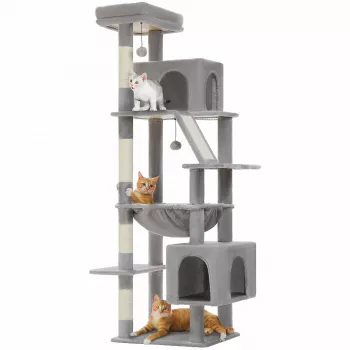
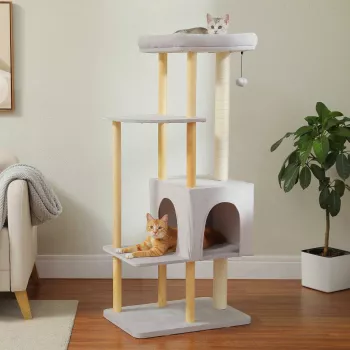
If you’re bundling your order with other essentials, these items are also currently available in the shop:
Care and Maintenance for Longer Life
A few minutes of upkeep helps keep the tree stable, clean, and appealing—especially if your cat sheds heavily or targets one favorite scratching post.
FAQ
How tall should a cat tree be?
Choose a height that gives your cat a comfortable perch without sacrificing stability. For heavier cats, a slightly shorter but sturdier tree is often better than an extra-tall option that wobbles.
Is a cat tree necessary if a cat already scratches furniture?
Scratching is normal, so the key is offering an appealing alternative with stable footing and a scratch-friendly surface (often sisal). Place it near the current scratching area at first, and build interest with play or a small amount of catnip.
Where is the best place to put a cat tree?
Window-adjacent spots are popular for viewing and lounging, while social cats often prefer trees near family activity. Ensure clear jump routes and avoid corners where one cat could be trapped by another pet.













Leave a comment