Balanced Meal Plan: 1-Week or 1-Month Menu + Recipes
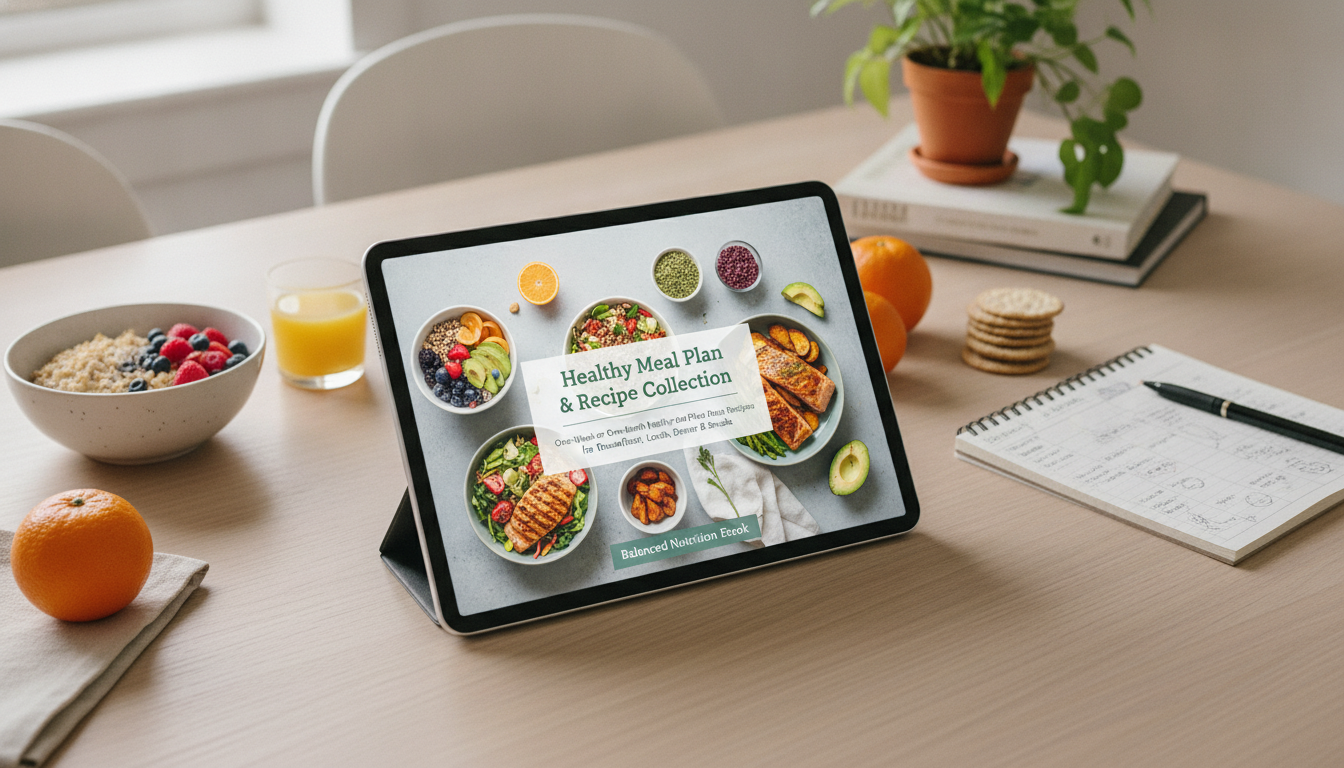
Healthy Meal Plan & Recipe Collection: One-Week or One-Month Balanced Menu for Breakfast, Lunch, Dinner & Snacks
A structured meal plan can remove daily decision fatigue while supporting steady energy, balanced macros, and practical grocery shopping. This guide breaks down how to use a one-week or one-month plan, what a balanced day can look like, and how to adapt recipes for different schedules, calorie needs, and dietary preferences—without turning cooking into a full-time job.
What “balanced” looks like on a real schedule
A balanced meal plan doesn’t require perfect cooking or complicated rules. It’s about repeating a simple structure that keeps you full, fueled, and flexible: build meals around protein, fiber-rich carbs, colorful produce, and healthy fats. For an easy reference point, you can compare your plates to frameworks like USDA MyPlate or the Harvard Healthy Eating Plate.
To keep things realistic, lean on templates you can repeat without boredom—breakfast bowls, big salads, sheet-pan dinners, and mix-and-match snacks. Aim for variety across the week by rotating proteins, swapping grains/legumes, and changing sauces (a different dressing can make the same “bowl” feel brand new). Choose cooking methods that scale—roasting, slow-cooking, batch sautéing, and no-cook assembly meals—and plan at least two “leftover-friendly” dinners that become next-day lunches.
Balanced day template (mix-and-match)
| Meal | Core building blocks | Easy examples | Prep tips |
|---|---|---|---|
| Breakfast | Protein + fruit/veg + fiber | Greek yogurt + berries + oats; veggie omelet + whole-grain toast | Pre-portion toppings; prep chopped veggies for 3–4 days |
| Lunch | Protein + high-volume veg + complex carb | Chicken quinoa bowl; tuna-bean salad; lentil soup + side salad | Batch-cook grains/legumes; use 2 sauces for variety |
| Dinner | Protein + 2 vegetables (one roasted) + smart carb | Salmon + broccoli + sweet potato; tofu stir-fry + brown rice | Sheet-pan meals save time; cook extra servings for lunch |
| Snacks | Protein/fiber + hydration | Apple + nut butter; cottage cheese + cucumber; hummus + carrots | Keep “grab-and-go” items visible; portion nuts to avoid overeating |
One-week plan vs one-month plan: choosing the right rhythm
The best plan length is the one you’ll actually use. A one-week plan is ideal when you’re new to meal planning, working with a tight budget, or trying to minimize food waste with fresh produce cycles. You can learn what portions satisfy you, how long prep really takes, and which recipes stay appealing through leftovers.
A one-month plan fits families, busy seasons, and anyone who prefers fewer decisions. The secret is repetition: you’re not reinventing the wheel each week—you’re repeating successful weeks, building a predictable pantry, and swapping a few meals to keep things interesting. A hybrid approach works well too: plan two weeks at a time, then repeat favorite weeks. Add a quick review day to adjust portions, swap meals, and note which recipes were fastest or most satisfying.
Prep strategy that keeps the plan realistic
Instead of cooking every meal ahead, set aside a 60–90 minute prep window for “batch tasks.” This keeps the plan doable on a weeknight because you’re assembling, not starting from scratch.
- Wash and chop produce: salad greens, bell peppers, cucumbers, onions, broccoli, and berries (store dry and sealed).
- Cook one grain: rice, quinoa, farro, or potatoes for bowls, salads, and sides.
- Roast one tray of vegetables: a sheet pan of mixed veggies becomes dinner sides and lunch add-ins.
- Cook 1–2 proteins: baked chicken, ground turkey, tofu, lentils, or hard-boiled eggs.
Grocery planning: a simple system to shop once and eat well all week
For smoother weeks, balance fresh, frozen, and canned produce so you still have vegetables available on the last days of the plan. Shopping by category helps you move fast and stay consistent: produce, proteins, grains/legumes, dairy/alternatives, sauces/spices, snacks. If you’re working toward weight goals, a credible overview like the CDC guidance on healthy weight can help you focus on sustainable habits rather than extremes.
Adapting recipes for calories, macros, and dietary preferences
What’s inside the Healthy Meal Plan & Recipe Collection eBook
If you want the structure done for you, the Healthy Meal Plan & Recipe Collection eBook (one-week or one-month plan) is built around repeatable, balanced eating with straightforward ingredients. It includes one-week and one-month options designed around breakfast, lunch, dinner, and snacks, plus a recipe collection that supports consistent meal timing and easy substitutions when life changes mid-week.
For busy schedules (commutes, long shifts, travel days), keeping your phone charged for grocery lists, recipes, and timers can also help you stay on track. If you like having a backup, consider the 200000mAh 120W Power Bank for iPhone and Apple Devices for on-the-go planning and prep timers without hunting for an outlet.
How to get started in 30 minutes
Compare related options such as Premium Leather Magnetic Case for Apple iPhone to match features, dimensions, and use case before choosing.
FAQ
Is a one-week or one-month meal plan better for beginners?
A one-week plan is usually best at first because it helps you learn portions, prep time, and what you actually enjoy eating. After one strong week, it’s easier to expand into a one-month rhythm by repeating favorites.
Can the recipes be adjusted for weight loss or muscle gain?
Yes—adjust portions and macro emphasis. For weight loss, prioritize lean protein and extra vegetables; for muscle gain, add carbs/healthy fats and increase total portions, then track for a week to calibrate.
How can a meal plan stay flexible when schedules change?
Use component prep, keep a couple freezer-friendly meals, and swap similar meals (protein + veg + carb) without overthinking it. Having 2–3 emergency options prevents last-minute takeout from becoming the default.
















Leave a comment