AirPods Pro Memory Foam Tips: Anti-Slip Noise Seal
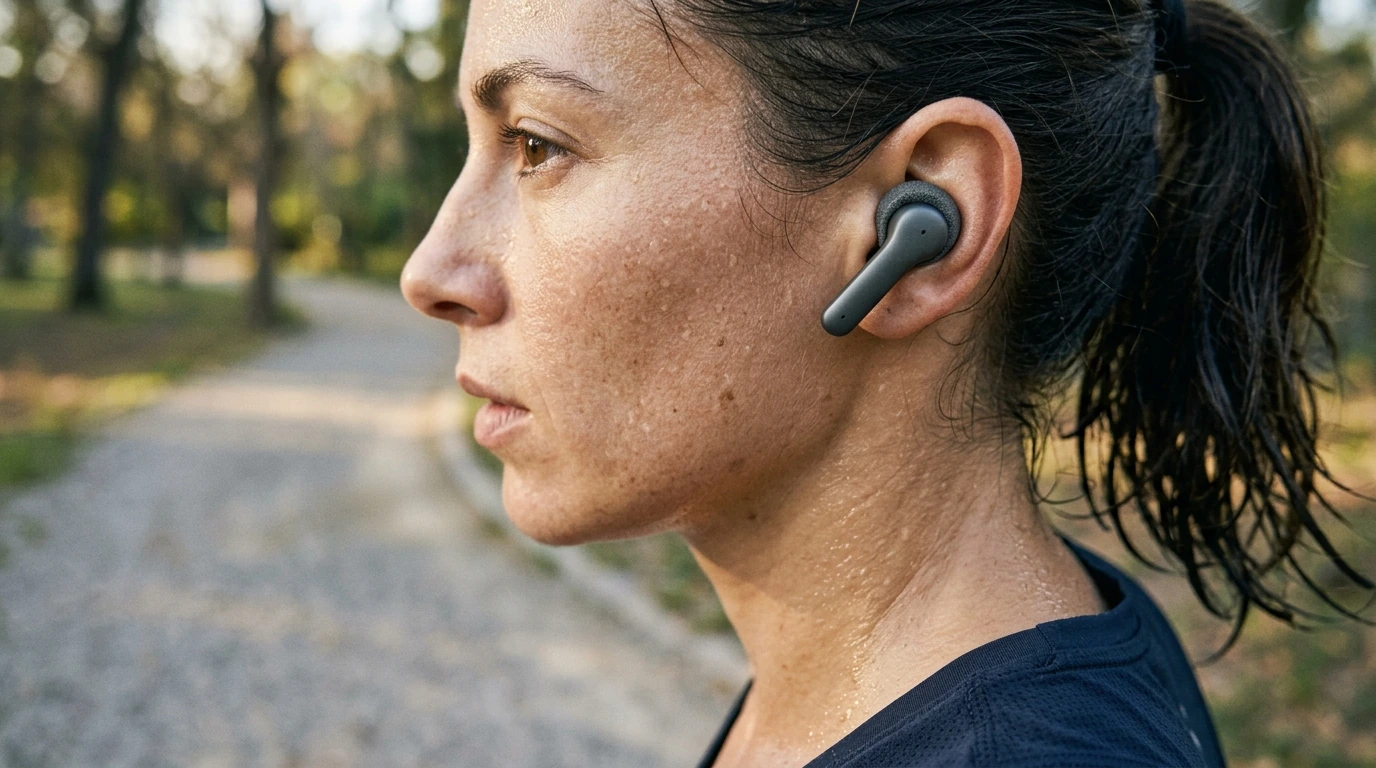
Apple AirPods Pro Memory Foam Noise Isolating Ear Tips with Anti-Slip Design
AirPods Pro sound their best when the fit is stable and the seal stays consistent from the first song to the last call. Our Apple AirPods Pro Memory Foam Noise Isolating Ear Tips with Anti-Slip Design are made to improve comfort, reduce outside noise through a tighter seal, and stay put—so music, podcasts, meetings, and workouts feel more locked-in without constant readjusting.
What changes when the seal is better
With in-ear audio, small fit differences can create big real-world changes. When your ear tips seal more reliably, you typically notice improvements that are less about “louder” and more about “steadier.”
- More consistent noise isolation: A tighter seal can reduce how much outside sound leaks in, which helps ANC feel steadier in real-world places like commuting, cafes, or gyms.
- Fuller low end at the same volume: When the ear tip seals well, bass response often feels stronger and more even (less “thin” sound caused by tiny air gaps).
- Fewer interruptions: A secure tip fit can cut down on the small slips that trigger readjustments mid-run, mid-call, or while chewing/talking.
- Clearer calls: A stable fit keeps microphones and audio processing working under more consistent conditions.
Why memory foam feels different from standard silicone
Silicone is smooth and durable, but it doesn’t always “fill in” the same way foam can—especially if your ears fall between common sizes. Memory foam behaves more like a conforming gasket: compress, seat, and let it expand to match your ear shape.
- Pressure distribution: Foam compresses and spreads pressure more evenly, which can feel gentler for longer sessions.
- Adaptive fit: Foam can conform to ear shape variations that silicone may not seal as well, especially if one ear differs slightly from the other.
- Better “set-and-stay” behavior: Once compressed and seated, foam tends to hold position rather than sliding with sweat or jaw movement.
- Practical note: Foam ear tips are wear items; swapping them periodically helps maintain comfort and seal performance.
Anti-slip design for daily use and workouts
A great seal is only useful if it lasts. Our team likes anti-slip foam tips for the situations where silicone can start to shift—warm ears, sweat, talking, or repeated movement.
- Stays stable during movement: The anti-slip approach focuses on maintaining grip and reducing micro-slips while walking, running, or lifting.
- Less need to push them back in: Stability helps keep ANC and audio balance consistent, especially if one ear is slightly different from the other.
- Sweat-friendly fit: When ears get warm, a more secure tip can help prevent loosening.
Fit routine: getting the best seal without over-tightening
Foam tips reward a simple routine. The goal is a dependable seal—not maximum pressure.
- Start with clean ears and clean tips: Oils and debris can reduce grip and make fit inconsistent.
- Compress, insert, hold briefly: Gently compress the foam, seat the AirPods Pro, and hold for a moment while the foam expands.
- Aim for secure, not tight: Too much pressure can cause discomfort and doesn’t always improve isolation.
- Run Apple’s Ear Tip Fit Test: After swapping tips, use Apple’s built-in test to confirm the seal for each ear (Apple Support covers the steps here: Use the Ear Tip Fit Test with AirPods Pro).
If you’re trying to reduce the temptation to crank volume in loud places, it also helps to understand noise exposure basics (NIOSH overview: Preventing Occupational Hearing Loss).
Quick comparison: foam vs. silicone for common situations
Both materials can work well. Foam usually wins when you want a “set it and forget it” seal, while silicone can feel quicker to clean and longer-lasting between replacements. Here’s a practical way to think about it:
| Situation | What matters most | How foam + anti-slip helps |
|---|---|---|
| Public transit | Consistent seal against changing noise | Foam expands to fill gaps and maintains isolation |
| Office calls | Stable fit and comfort over time | Less shifting during talking; gentler pressure distribution |
| Workouts | Grip and sweat-related slipping | Anti-slip design improves hold; fewer readjustments |
| Walking outdoors | Secure fit without constant checking | Helps keep both earbuds seated evenly |
Care and replacement habits that keep performance consistent
Foam tips perform best when they’re kept clean and allowed to rebound properly. A few habits go a long way.
Build a better everyday Apple setup (small upgrades that add up)
- Apple Watch Silicone Sport Strap for a simple, dependable swap when you want a clean, comfortable band for workouts or errands.
- Wireless Bluetooth Backlit Number Pad for Apple Devices when you want quicker number entry on iPad or Mac workflows without committing to a full-size keyboard.
FAQ
Will these memory foam ear tips help noise canceling work better?
Active noise canceling depends heavily on getting a reliable seal, and memory foam can improve seal consistency for many ear shapes. If your current tips leak slightly or shift during movement, foam tips may make ANC feel steadier, though results vary by ear shape and sizing.
How do you choose the right ear tip size for AirPods Pro?
Start with the size that feels secure without pressure, then check for a stable seal by moving your jaw and walking around for a minute. Use Apple’s Ear Tip Fit Test to confirm, and remember you may need a different size in each ear.
How often should memory foam ear tips be replaced?
Memory foam tips are consumable, so replacement depends on rebound, hygiene, and whether you notice a drop in seal or comfort. Replace them when the foam stops expanding well, looks worn, or isolation becomes less consistent.














Leave a comment