AI Hair Care Checklist: Track Routine, Scalp, Results
Your AI Hair Care Checklist: A Simple System to Track Routines, Scalp Health, and Results
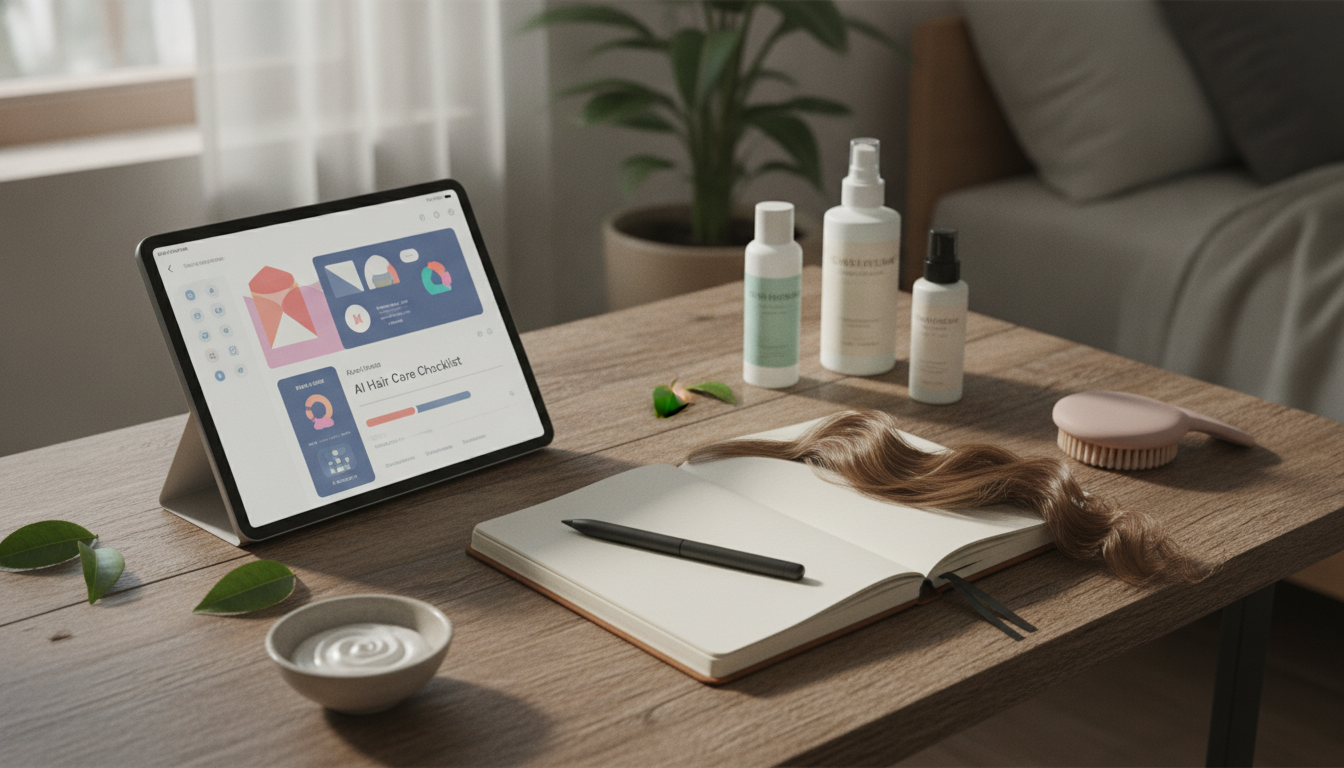
A consistent routine is easier when progress is visible. A digital checklist and tracker turns hair days into a clear plan—log what was done, note scalp changes, and use guided analysis notes to adjust habits over time without guesswork. Instead of relying on memory (“Was it that shampoo?” “Was the style too tight?”), you build a simple record that helps routines feel predictable and results feel measurable.
What this checklist and tracker helps organize
Hair care can get complicated fast, especially when products, weather, and styling all change at once. A structured checklist keeps the basics in one place so it’s easier to stay consistent and identify what actually works.
- Routine consistency: wash days, conditioning, leave-ins, protective styling, and reset days
- Scalp notes: itch, flakes, oiliness, tenderness, and product buildup signals
- Length and breakage awareness: shedding vs. snapping, detangling time, and ends condition
- Product and technique tracking: what was used, how much, and how hair responded after 24–72 hours
- Goal planning: hydration, definition, less frizz, stronger edges, healthier scalp, or heat recovery
If you want a ready-to-use template, Your AI Hair Care Checklist (Printable & Digital Download) is designed for quick check-ins on busy days and deeper notes when you have time.
How the AI-style hair analysis prompts work (even without extra tools)
“AI-style” doesn’t mean you need devices or complicated testing. It means you observe, record, and connect patterns over time—like a simple feedback loop.
- Start with a baseline: current concerns, density perception, porosity clues, and styling habits
- Use observation notes after key events: wash day, heat styling, swimming, heavy sweating, or product swaps
- Connect symptoms to patterns: flakes after certain stylers, dryness after clarifying, frizz in humidity, or breakage after tight styles
- Track what changes first: scalp comfort, detangling ease, shine, curl consistency, or reduced shedding
- Create “if-then” rules: if scalp feels coated, schedule clarifying; if ends feel rough, prioritize masking and trims
Quick routine map to fill in the tracker
| Routine step | Common frequency | What to log | Signs to adjust |
|---|---|---|---|
| Cleanse | 1–3x/week | Shampoo type, water temperature, scalp feel next day | Itch, flakes, squeaky dryness, greasy roots |
| Condition | Every wash | Slip, detangling time, rinse level | Knots, rough ends, limp hair |
| Deep condition/mask | 1x/week or biweekly | Minutes left on, heat/no heat, softness after drying | Stiffness, breakage, dullness |
| Clarify/chelate | Every 2–6 weeks | Product buildup level, scalp reset, follow-up moisture | Waxy feel, product not absorbing, flat roots |
| Scalp care | As needed | Oil/serum frequency, massage time, flare-ups | Tenderness, persistent flakes, redness |
| Heat/protective styling | Optional | Heat level, protection used, tension level | Split ends, thinning edges, increased snapping |
Daily, weekly, and monthly planning that stays realistic
Tracking only works if it fits real life. The goal is momentum, not perfection.
- Daily check-ins (30–60 seconds): hydration, scalp comfort, protective style tension, and one quick note
- Weekly review: what helped most, what caused setbacks, and which day felt like the “best hair day”
- Monthly reset: compare photos/notes, update goals, and plan one focus (scalp, moisture, strength, or styling)
- Habit stacking: pair tracking with brushing teeth, skincare, or your evening wind-down
- Simple scoring: rate softness, scalp comfort, and manageability to spot trends quickly
For digital-only tracking, a separate keypad can make quick entries feel faster on a tablet setup; Wireless Bluetooth Backlit Number Pad for Apple Devices is a handy add-on if you like typing structured notes.
Scalp health journal: what to record (and what not to ignore)
A calm scalp often shows up before dramatic “hair results.” Logging symptoms helps separate temporary irritation from repeat triggers.
For further guidance on common scalp concerns, see the American Academy of Dermatology’s basics on dandruff and when to seek help for hair loss. If symptoms suggest ongoing inflammation (like recurring greasy flakes and redness), Cleveland Clinic’s overview of seborrheic dermatitis can help you understand what to discuss with a clinician.
Printable and digital workflow options
If you like logging while multitasking (wash day, detangling, or drying), a small audio distraction can make the process feel easier—some people prefer to play a podcast or radio while checking items off. Mini Pocket DAB/DAB+ FM Radio MP3 Player with Speaker & Rechargeable Battery is a simple option for that routine vibe.
Who this planner fits best
Common tracking mistakes and quick fixes
When you want a structured place to keep all of this—routine steps, scalp signals, and monthly comparisons—use Your AI Hair Care Checklist | Digital Hair Routine Tracker, AI Hair Analysis Guide, Hair Care Planner, Scalp Health Journal, Printable & Digital Download and keep your adjustments intentional.
FAQ
How often should a hair routine be updated once tracking starts?
Keep the same core routine for about 2–4 weeks so you can see patterns. Use weekly reviews for small tweaks based on scalp comfort, breakage, and overall manageability.
Is it better to use the tracker digitally or print it out?
Digital is great for quick on-the-go notes and duplicating pages, while printed pages are convenient right where you do your wash-day steps. A hybrid approach—digital daily notes plus a printed wash-day checklist—works well for many routines.
What should be tracked to improve scalp health?
Track symptoms (itch, flakes, oiliness, soreness), wash frequency, whether products touch the scalp, sweat/workouts, and tool hygiene (brushes, pillowcases, hats/helmets). If itching, flaking, pain, bleeding, or patchy loss persists, it’s worth checking in with a dermatologist.















Leave a comment