6-Speed Massage Gun Guide: 4 Heads, 2500mAh Battery
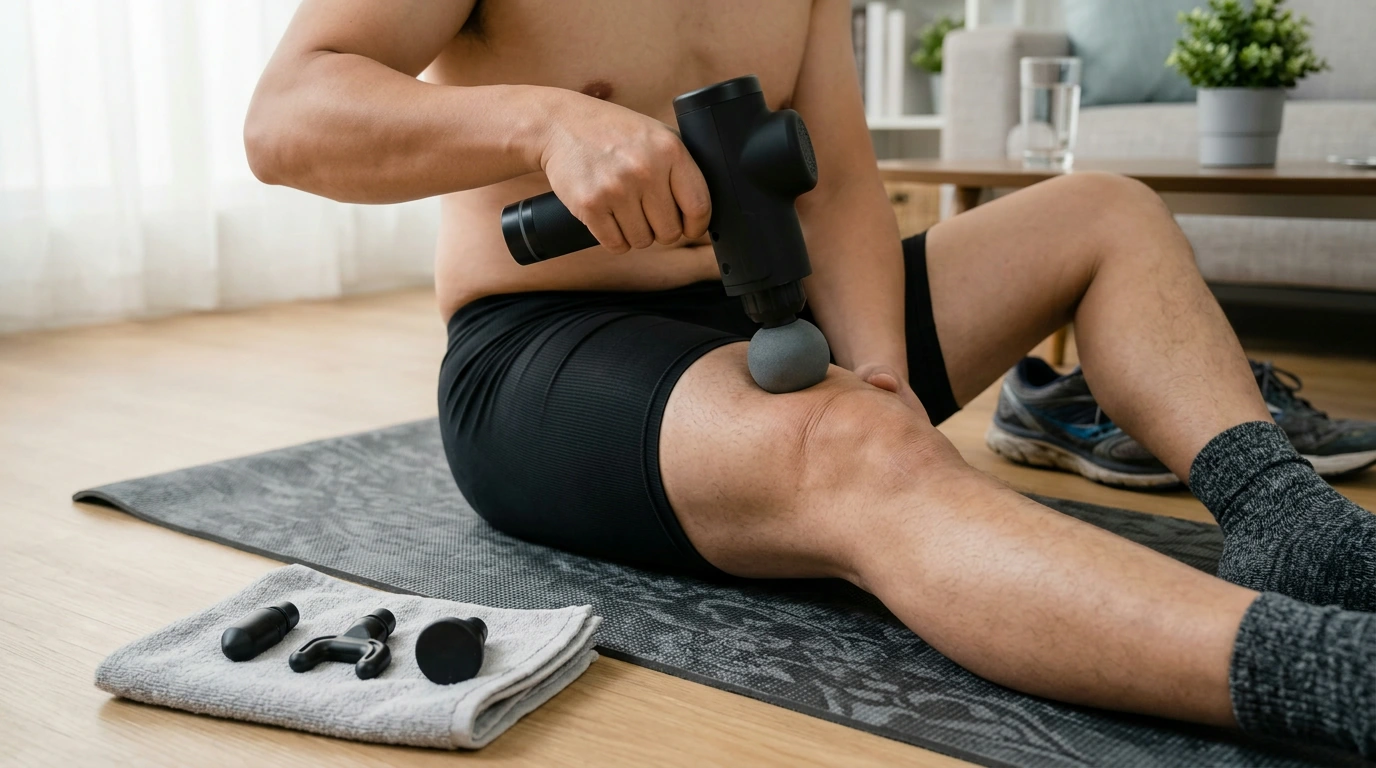
Deep Tissue Percussion Massage Gun with 6 Speeds, 4 Heads, and a 2500mAh Battery
A percussion massage gun can be a practical at-home tool for easing everyday tightness, supporting warmups, and making post-workout recovery feel smoother—when it’s used with the right technique. If you’re looking at a model with 6 speed levels, 4 interchangeable heads, and a 2500mAh battery, the details matter: speed affects comfort, the attachment shape changes how the pressure feels, and battery capacity influences how often you’ll recharge.
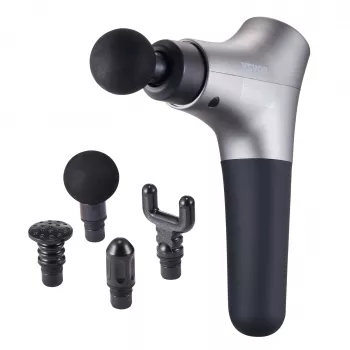
If you’re ready to get started, the Deep Tissue Percussion Massage Gun – 6 Speed Levels, 4 Heads, 2500mAh Battery is designed for flexible daily use—gentle enough for sensitive areas at lower settings and strong enough for larger muscle groups when you turn it up.
What a percussion massage gun does (and when it helps most)
Percussion massage uses rapid pulses to stimulate soft tissue. Many people use it to reduce the “stiff” feeling after exercise, to loosen areas that feel locked up after long sitting, or to help transition into activity during warmups.
- Common use cases: calves and quads after walking or running, upper back tightness from desk posture, and glutes/hips after long periods of sitting.
- Better in short sessions: consistency usually beats intensity—think brief, repeatable routines rather than pushing as hard as possible for a long time.
- Know when to get help: it’s not a substitute for medical care if pain is sharp, radiating, or persistent.
For a big-picture view of massage benefits and limitations, these overviews from Mayo Clinic and the NCCIH (NIH) are helpful starting points.
Understanding the 6 speed levels
Six speed levels aren’t just “more power.” They’re mainly about control—different muscle groups and different days can call for different intensity. A smart pattern is to begin low, let the area adapt for a few seconds, then move up gradually until it feels strong but still comfortable.
- Lower speeds: often best for sensitive areas, relaxation, and first-time users learning how much pressure to apply.
- Mid speeds: commonly used for general recovery on larger muscle groups like thighs, hamstrings, and glutes.
- Higher speeds: can feel intense and are usually best for dense muscles and brief passes—comfort should guide the choice.
- Simple progression: start low for 10–20 seconds, then increase one level at a time until it feels “strong but tolerable.”
- Back off if needed: if the muscle tenses up or the sensation turns sharp, reduce speed and lighten pressure.
| Goal | Recommended speed approach | Typical session length |
|---|---|---|
| Warmup before activity | Low to mid speed, light pressure, keep moving | 30–60 seconds per muscle group |
| Post-workout recovery | Mid speed, moderate pressure, slow passes | 60–90 seconds per muscle group |
| Targeting stubborn tight spots | Mid to higher speed in short bursts, avoid pressing into bone | 10–20 seconds per spot, then move on |
| Relaxation/end-of-day tension | Low speed, very light pressure | 1–2 minutes per area |
Choosing the right head: what the 4 attachments are good for
Attachment shape changes how the pressure spreads across your tissue. As a rule, broader heads feel more forgiving; narrower heads feel more precise but demand better technique.
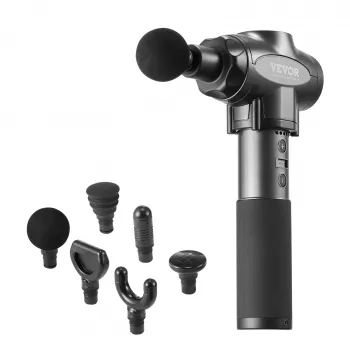
- Round head: the versatile default for large muscle groups like quads, glutes, hamstrings, and upper back.
- Bullet head: focused contact for pinpoint tightness; use briefly and avoid bony landmarks and joints.
- Flat head: broader, firmer contact for denser areas (such as thighs or chest/pecs) when a round head feels too soft.
- Fork/U-shaped head (if included): often used along either side of the spine or around tendons; avoid direct contact on the spine itself.
If you’re unsure, start with the round head at a low speed. Once you know what “comfortable pressure” feels like, then experiment with flat or bullet for specific goals.
2500mAh battery: what to expect day to day
Battery capacity (mAh) indicates the size of the battery, but real runtime depends heavily on speed level and how hard you press into the muscle. Higher speeds and heavier pressure make the motor work harder, which drains the battery faster.
How to use it comfortably: technique that matters more than intensity
Where to be cautious
Quick spec snapshot and who it suits
| Feature | What it means for use |
|---|---|
| 6 speed levels | More control over comfort and intensity across different muscles |
| 4 massage heads | Better matching of attachment shape to muscle size and sensitivity |
| 2500mAh battery | Cordless sessions and easier storage/travel compared with plug-in devices |
A practical fit for gym-goers, runners, people with desk-related tightness, and anyone who wants an easy recovery tool at home. For a simple setup, consider pairing your routine with a few everyday essentials from the shop, like an Apple Watch Silicone Sport Strap for comfortable workouts or a Wireless Bluetooth Backlit Number Pad for Apple Devices if you’re building a more ergonomic desk setup that may help reduce recurring tension.
FAQ
Which speed level should be used first?
Start at the lowest speed with light pressure, then increase one level at a time until it feels strong but comfortable. If the muscle tightens up or the sensation becomes sharp, drop back down a level and use less pressure.
How long should a massage gun be used on one area?
Keep the head moving in slow passes; many people use about 30–90 seconds per muscle group. For a single tight spot, try 10–20 seconds, then move on to avoid irritation.
What is the best attachment for deep tissue work?
For most users, a flat or round head works well for deeper pressure over larger muscles. A bullet head can target small knots, but it should be used briefly and carefully, avoiding bones and joints.












Leave a comment