MagSafe With Silicone Cases: Charging vs. Magnetic Grip
Does MagSafe still work with a silicone case?
Usually, yes—but how well it works depends on the case. A thin silicone case can let a MagSafe charger charge your iPhone, since silicone itself does not block the magnetic connection. However, a basic silicone case may not hold MagSafe accessories as securely as a case designed with a built-in magnet array.
Charging and magnetic attachment are different
A MagSafe charger may still charge your phone through a compatible, lightweight silicone case. The phone’s charging coil can connect with the charger even if the case has no magnets. But the magnets in the phone and charger may not line up or grip as firmly through a case that lacks its own magnetic ring. A wallet or car mount could shift or come loose more easily.
Look for a MagSafe-compatible label
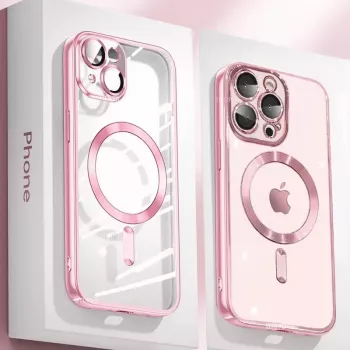
For the most reliable experience, choose a silicone case marked “MagSafe” or “MagSafe compatible.” These cases have magnets positioned to align with the charger and accessories. They’re designed to provide a more secure connection while allowing wireless charging. A case simply described as silicone, wireless-charging compatible, or slim may not offer the same magnetic hold.
Check fit and charging performance
Case thickness, raised layers, and any added metal parts can affect charging or accessory attachment. If charging is inconsistent, remove the case and test the charger directly against the phone. If that solves the problem, the case may be too thick or otherwise unsuitable. Keep the charging area clear of cards and other objects, and make sure the charger sits flat against the back of the case.
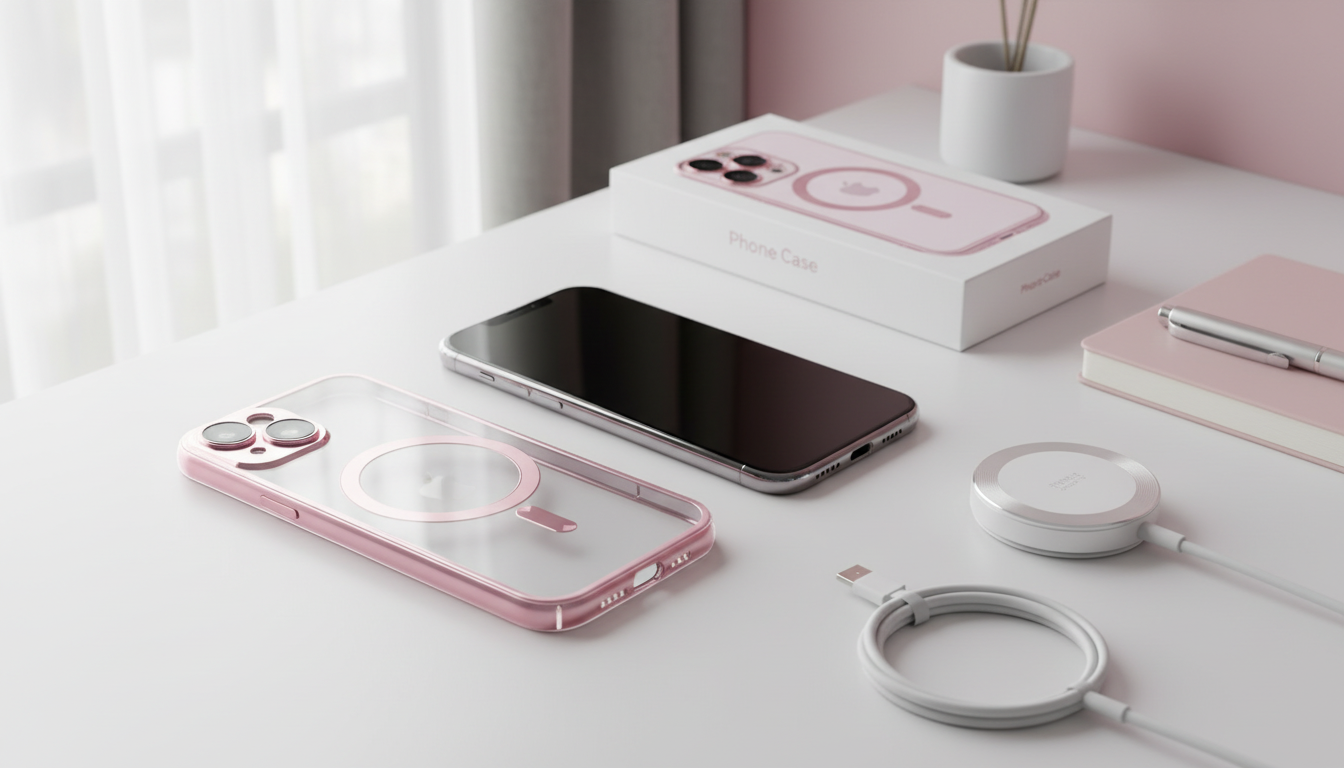
For a closer look at case design and fit, visit our guide to clear MagSafe ultrathin cases for iPhone Pro Max.
FAQ
How do you know whether a case is MagSafe-compatible?
Check the product description or packaging for a MagSafe-compatible label. A built-in magnetic ring is another clue, but the manufacturer’s specifications are the best confirmation.














Leave a comment