Pop-Up 4-Person Waterproof Tent: UV + Venting Tips
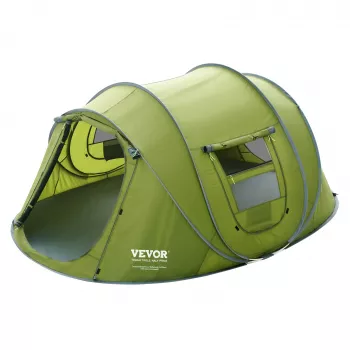
Fast Setup Comfort for Weekend Camps
When you roll into camp late, the sky looks questionable, or you simply want the quickest path from “parking” to “relaxing,” a pop-up tent makes a big difference. Our team picked the 4-Person Pop-Up Waterproof Camping Tent with UV Protection & Ventilation for exactly those mixed-condition weekends: it’s designed to go up fast, handle damp ground and passing rain, and stay more comfortable in bright, warm weather thanks to UV protection and airflow-focused ventilation.
If your trips include family campouts, festivals, or spontaneous overnight stops, this style of shelter helps you spend less time wrestling poles and more time getting dinner started, organizing sleeping gear, or taking that first deep breath of “we made it.”
What This Tent Is Made For
- Quick arrivals: the pop-up structure helps you get basecamp up fast so your trip starts sooner.
- Mixed-forecast weekends: waterproof coverage is built to deal with wet grass, mist, and rain that rolls in overnight.
- Sunny-season comfort: UV protection helps reduce harsh light and sun intensity inside the tent during long afternoons.
- Stuffy-air prevention: ventilation supports airflow so the interior feels less humid and less clammy.
- Group-friendly space: sized for up to four people, or ideal for 2–3 people plus bags and a bit of cooler room.
Pop-Up Setup Basics (and How to Keep It Stable)
Pop-up tents can feel “done” the moment they spring into shape, but a stable pitch still matters—especially if wind or rain shows up after dark.
- Choose your site first: aim for level ground, avoid low spots where water pools, and clear sharp rocks or sticks.
- Set up with the wind in mind: point the narrowest side toward the breeze to reduce flapping.
- Anchor early: stake the corners as soon as it’s standing; this is the step that keeps a pop-up from shifting overnight.
- Tension for rain: smooth and tension the outer layer so water sheds instead of collecting in low areas.
- Vent with intention: crack vents or door panels when conditions allow—airflow is your best defense against condensation.
For general campsite ethics and surface choices, we like the simple guidance from Leave No Trace on camping on durable surfaces.
Waterproof + Ventilation: Comfort in Real-World Weather
“Waterproof” works best when it’s paired with smart habits. A good tent helps, but where and how you pitch can decide whether you wake up dry and comfortable or damp and annoyed.
- Think about runoff: avoid spots where water will flow after a downpour (small channels, the base of slopes, or compacted dips).
- Expect some condensation: cool nights plus warm breath create interior moisture; ventilation helps move that humid air out.
- Zone your gear: keep wet shoes near the entrance and move sleeping gear toward the center, away from tent walls.
- Use a ground barrier: a groundsheet/tarp under the tent can help reduce moisture from below—just keep it trimmed so it doesn’t stick out past the edges and funnel rain underneath.
- After rain, air it out: once weather clears, open ventilation points to dry the interior faster.
UV Protection: When the Tent Becomes Daytime Shade
On bright weekends, your tent often becomes more than a sleeping space—it turns into your shade break, changing area, and “get out of the sun for a minute” spot. UV protection helps reduce the intensity of light inside, which can make midday rest and downtime more comfortable.
For practical sun guidance, two reliable references are NOAA’s UV Index resources and the CDC’s sun safety tips.
Sizing and Sleep Planning for 4 People
Quick Capacity Guide (Comfort vs. Maximum)
| Group | Most Comfortable Setup | Maximum Fit (Tight) | Best Use Case |
|---|---|---|---|
| 1–2 people | Extra gear space + wide sleeping pads | N/A | Car camping, longer stays, festival comfort |
| 3 people | Standard pads + moderate gear inside | 3 pads edge-to-edge | Weekend camping with balanced comfort |
| 4 people | Slim pads + minimal gear inside | 4 slim pads only | Overnight trips where setup speed matters most |
Simple Add-Ons That Make This Tent Even Better
- Lighting: a compact lantern or clip light makes the space easier to use after sunset.
- Weather extras: a small microfiber towel helps wipe condensation and dry hands quickly.
- Sleep upgrades: an insulated sleeping pad can improve comfort more than most other gear swaps on cooler nights.
- Organization: a small tote for “night items” (keys, chargers, headlamps) keeps the floor clearer.
- Camp sound & updates: our team likes a small radio for local updates and low-power listening, such as the Mini Pocket DAB/DAB+ FM Radio MP3 Player with Speaker & Rechargeable Battery.
Care, Folding, and Storage to Keep Pop-Up Tents Working Smoothly
FAQ
Is a waterproof tent enough on its own, or is a rainfly/groundsheet still important?
A waterproof tent performs best when you pitch it on well-drained ground, keep the outer layer tensioned, and avoid low spots where water collects. A groundsheet under the tent can help with moisture from below, as long as it doesn’t protrude past the tent edges. Good site choice is often the difference between “waterproof worked” and “water found a way.”
How does UV protection in a camping tent help during summer trips?
UV protection helps reduce harsh light and UV exposure inside the tent, making it more comfortable for midday breaks and shade time. It’s a helpful layer of protection, but it doesn’t replace sunscreen, hats, or hydration during high UV conditions. You’ll feel the benefit most at open campsites, beaches, and festivals.
What’s the easiest way to reduce condensation inside a pop-up tent?
Use ventilation: open vents and door panels when it’s safe, and choose a campsite with a bit of airflow. Avoid drying wet clothes inside, and keep bedding from pressing against tent walls where moisture collects. Condensation is normal, but airflow keeps it from becoming a problem.












Leave a comment