3500W Electric Demolition Hammer: 1900 BPM + 2 Chisels
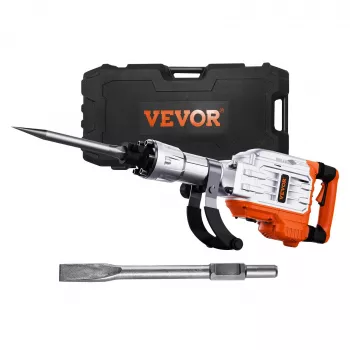
3500W Electric Demolition Jack Hammer (1900 BPM) Concrete Breaker with 2 Chisels
Breaking up concrete, removing tile beds, or cutting through compacted masonry calls for a demolition hammer that hits hard, holds steady, and accepts the right chisel for the job. This 3500W electric demolition jack hammer delivers 1900 blows per minute and includes two chisels to help tackle common demolition tasks with fewer tool changes.
What This Demolition Hammer Is Built For
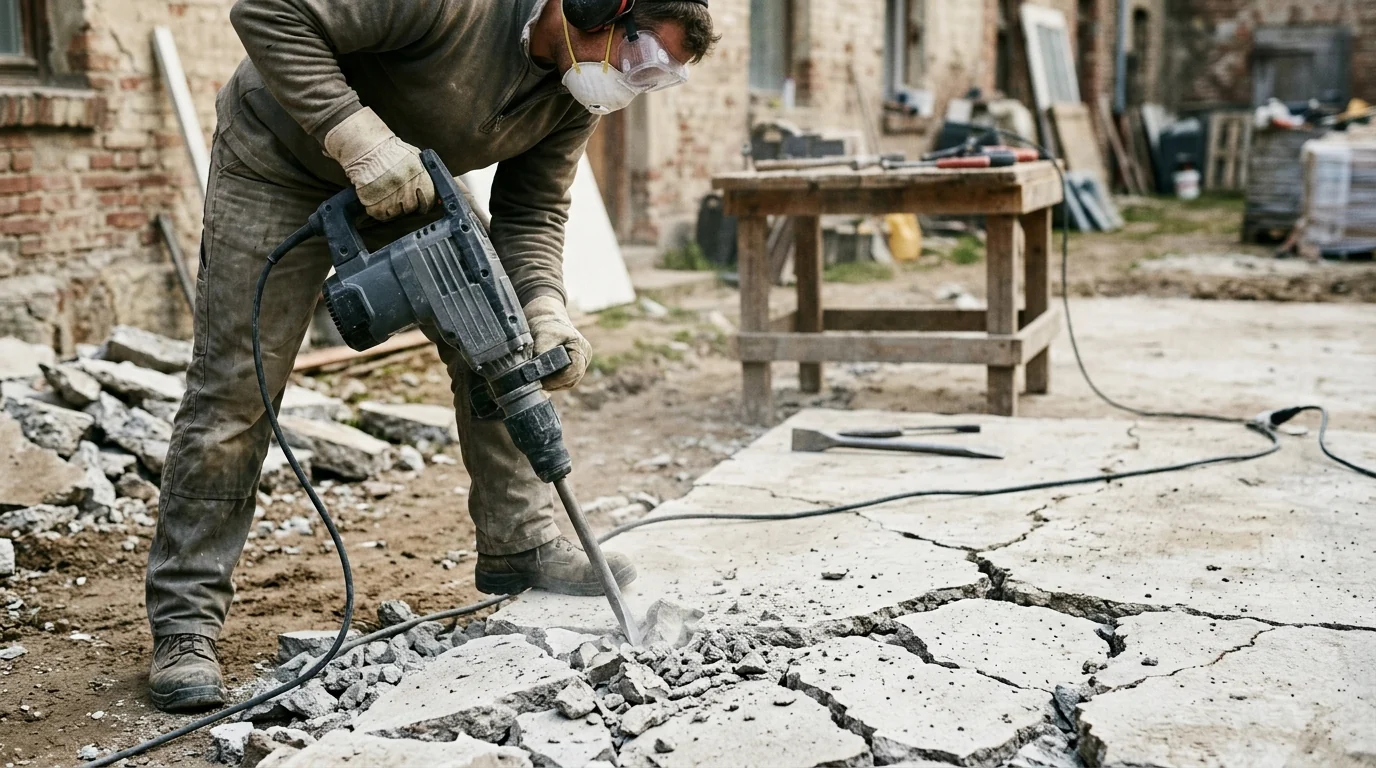
A corded demolition hammer is purpose-built for impact-heavy work where continuous power and consistent strike force matter more than portability. This style of breaker is commonly used when the goal is to fracture material efficiently and then clear it in manageable sections.
- Concrete and slab breakup for small-to-medium demolition jobs
- Removing old mortar, plaster, and tile beds where controlled chipping matters
- Opening channels in concrete for basic routing work (with the appropriate chisel)
- Demolition of masonry features such as steps, curbs, and small retaining structures
- Jobsite use where a corded, continuous-power tool is preferred over battery runtime limits
If you’re planning on frequent concrete removal, it helps to pair the tool with a simple workflow: start cracks with focused strikes, separate sections with a flatter profile, then move rubble out of the impact zone so the hammer’s energy keeps going into the slab—not into loose debris.
Key Specs and What They Mean on the Job
Specs can look like simple numbers, but each one affects how the tool behaves in real material. A 3500W class motor is aimed at maintaining strong striking force under sustained load, while 1900 BPM typically points toward heavier hits rather than fast, light tapping.
- 3500W motor power: designed for heavy striking force under sustained load
- 1900 BPM impact rate: prioritizes strong hits over high-frequency light chipping
- Corded electric operation: consistent performance without battery swaps
- Includes two chisels: supports switching between general breakup and more targeted chipping
- Better results: come from matching chisel type and angle to the material and fracture pattern
Quick specification snapshot
| Feature | Value | Why it matters |
|---|---|---|
| Power | 3500W | Higher power supports tougher concrete and longer sessions |
| Impact rate | 1900 BPM | Lower BPM with strong blows helps fracture thick material |
| Included bits | 2 chisels | Covers common tasks without buying extras immediately |
| Tool type | Electric demolition hammer | Steady output for extended demolition work |
Chisels: Choosing the Right One for the Task
The included chisels aren’t interchangeable “extras”—they’re the main way to steer the work. Choosing the right profile changes how cracks form, how quickly material separates, and how controlled the demolition feels.
- Point chisel: concentrates force to start cracks in thick or reinforced sections and to break up edges
- Flat chisel: lifts and peels material such as tile beds, thin concrete layers, and mortar; also useful for widening cracks once started
- Use the point chisel to initiate fractures, then switch to the flat chisel to clear and separate material faster
- Keep chisels sharp enough for effective penetration; a heavily rounded tip can slow progress and increase vibration
- Let the tool do the work—excessive prying with a chisel can bend the shank and reduce bit life
A practical approach is to “set the break” first: drive the point chisel to form a crack line, then come back with the flat chisel to lift, shear, and peel material away cleanly.
Setup and Technique for Cleaner Breaks
Technique is a major factor in how fast the slab breaks and how much fatigue you rack up. Small changes—where you start, the angle you hold, and how often you reposition—can make the work feel dramatically smoother.
- Start at an edge, joint, or existing crack when possible; it reduces effort and controls break lines
- Work in a grid pattern on slabs: score multiple fracture points rather than trying to pulverize a single spot
- Keep a consistent working angle: too steep can cause bouncing; too shallow can skate across the surface
- Apply firm, steady downward pressure without forcing—forcing increases fatigue and can reduce impact efficiency
- Pause periodically to clear rubble and re-position; buried debris absorbs impact energy
Safety and Dust Control That Matter During Concrete Demolition
For dust control references, review OSHA’s guidance on respirable crystalline silica for construction work: OSHA: Respirable Crystalline Silica Standard for Construction. For additional hazard background and control options, see NIOSH silica resources. Noise exposure can also add up quickly; NIOSH hearing protection guidance is a solid reference for safer practices.
Maintenance for Reliable Performance
When This Style of Tool Is a Good Fit (and When It Isn’t)
In-Stock Picks
- 3500W Electric Demolition Jack Hammer – 1900 BPM Concrete Breaker with 2 Chisels
- Mini Pocket DAB/DAB+ FM Radio MP3 Player with Speaker & Rechargeable Battery
- Wireless Bluetooth Backlit Number Pad for Apple Devices
FAQ
What’s the difference between a point chisel and a flat chisel for concrete demolition?
A point chisel concentrates force into a smaller area, making it better for starting cracks and breaking stubborn, thicker sections. A flat chisel is better for peeling and clearing material once it’s fractured, and it’s often faster for removing tile beds or mortar after the break line is established.
Is 1900 BPM enough for breaking concrete?
Yes, because BPM is only part of the story—many heavy breakers use a lower blow rate paired with higher impact energy to fracture thick concrete. Results depend on slab thickness, reinforcement, and using the right chisel and working angle to encourage cracking instead of surface chatter.
How can dust be reduced when breaking concrete indoors?
Use wet methods where feasible or on-tool dust extraction with appropriate filtration, and isolate the work area with airflow control to keep dust from spreading. Wear respiratory protection suited for silica dust, and clean using methods that avoid re-suspending fine particles.













Leave a comment