300W 204Wh Solar Power Station: Runtimes & Fast Charging
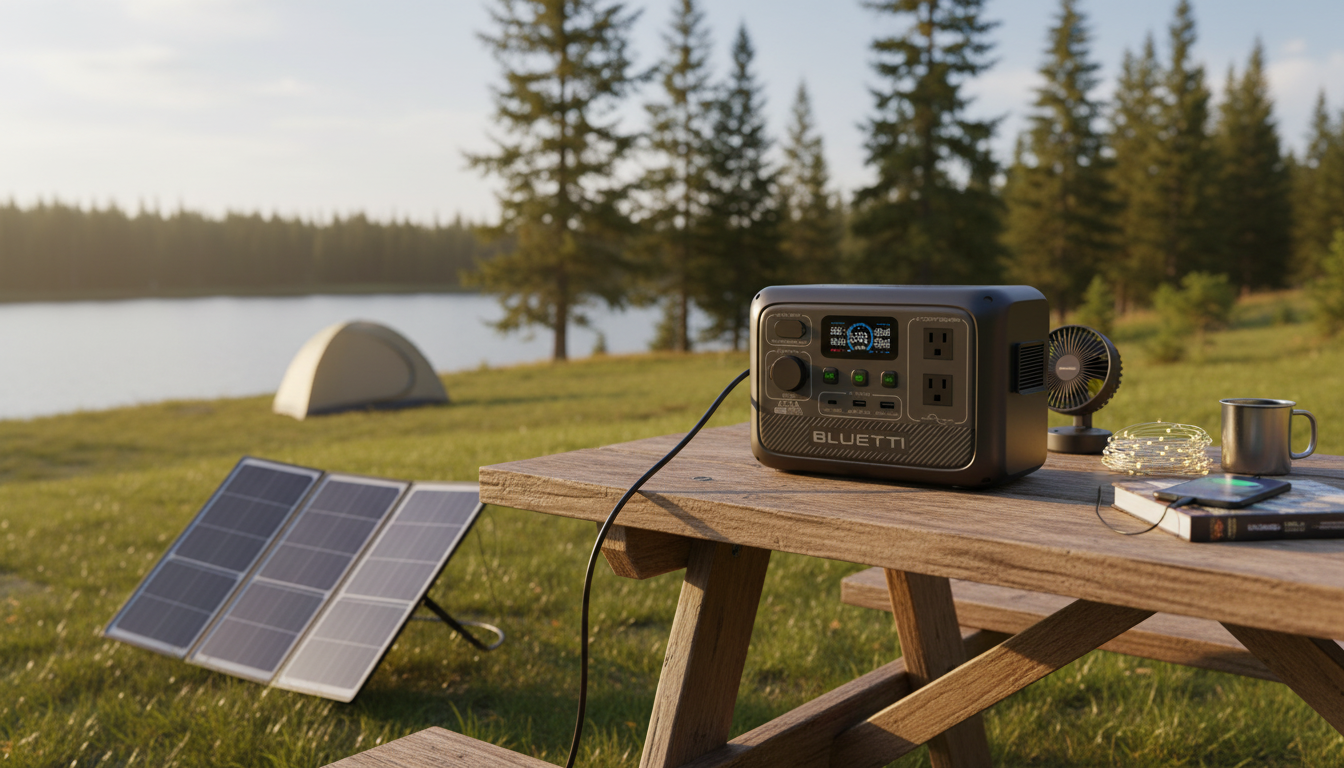
Portable 300W 204Wh Solar Power Station with Fast Charging: What It Can Run and How to Use It
A compact solar power station can keep essentials running when outlets aren’t available—at camp, on the road, or during a short outage. A 300W/204Wh class unit is built for “small-but-important” power: charging personal devices, keeping lights on, and supporting low-watt electronics. Below is a practical way to think about output, capacity, charging speed, and how to use this size safely and efficiently.
Who This Size Power Station Fits Best
A 204Wh portable power station is easiest to appreciate when the goal is convenience and quiet power, not replacing a full household circuit.
- Day trips, camping weekends, tailgates, and car-based travel where weight and simplicity matter.
- Emergency backup for small electronics: phones, lights, small fans, routers/modems (runtime varies by load).
- Creators and remote work setups needing a quiet power source for laptops, cameras, and accessories.
- Not intended for high-draw appliances like space heaters, large kettles, or full-size microwaves.
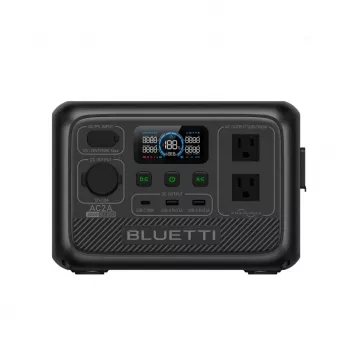
If you’re shopping specifically for this use case, see the Portable 300W 204Wh Solar Power Station with Fast Charging as a baseline for size and capability. For a lightweight entertainment/updates option during a trip or outage, the Mini Pocket DAB/DAB+ FM Radio MP3 Player with Speaker & Rechargeable Battery pairs well because it doesn’t require much power to keep you informed.
Key Specs That Decide What You Can Power
Two numbers drive most expectations: watt-hours (energy stored) and watts (power delivered). Understanding the difference prevents disappointment.
- Watt-hours (Wh) indicate stored energy; higher Wh generally means longer runtime for the same device.
- Watts (W) indicate how much power can be delivered at once; devices that exceed the output limit may not run.
- Peak/surge needs: some devices (motors, compressors) briefly draw more at startup than their running wattage.
- Port selection matters: AC outlets for wall-plug devices, USB for phones/tablets, DC ports for certain travel gear.
- Inverters and conversion overhead reduce usable energy; real-world runtimes are lower than simple math.
| Spec | What it means in use |
|---|---|
| 204Wh capacity | Best for charging and running small electronics for hours, not days. |
| 300W output class | Suitable for low-to-moderate loads; avoid high-watt cooking/heating appliances. |
| Fast charging support | Shorter refill time when using compatible input methods and adapters. |
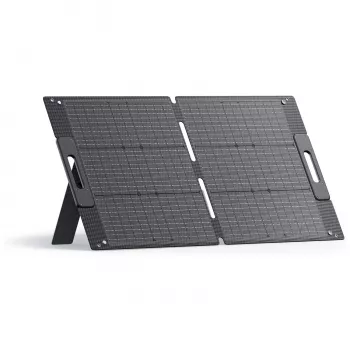
| Solar-compatible charging | Can recharge from a portable solar panel under good sunlight (panel size and conditions matter). |
For a helpful primer on how energy storage works in general (and why usable capacity differs from the number on the box), the U.S. Department of Energy provides a clear overview: Battery storage basics.
Typical Runtimes: Practical Estimates (Not Guarantees)
Runtime depends on how much power the device draws, how efficiently it’s powered (USB/DC tends to waste less than AC), and how often loads spike (like a laptop under heavy processing). Treat the examples below as planning ranges, not promises.
- Phone charging: multiple charges depending on battery size and charging losses.
- Laptop use: often several hours of mixed use, depending on laptop watt draw and whether AC or USB-C is used.
- LED lighting: many hours at low wattage; a great match for small power stations.
- Wi‑Fi router/modem: can be a strong emergency use-case if the internet source is still active.
- Small fan or CPAP: may be possible, but check continuous wattage and required voltage/port type.
| Device | Typical draw (W) | What to check before using |
|---|---|---|
| Smartphone | 5–15 | USB output type and total USB power. |
| Laptop | 30–90 | Charger wattage; USB-C PD vs AC brick efficiency. |
| LED lantern/string lights | 3–15 | DC/USB compatibility for best efficiency. |
| Wi‑Fi router | 8–20 | DC barrel option can save energy vs AC adapter. |
Fast Charging: What It Usually Means in Daily Use
Solar Recharging: How to Get Better Results Outdoors
For a solid technical overview of how solar PV works and why conditions matter, the National Renewable Energy Laboratory explains the basics here: Solar PV basics.
Using It Safely and Making the Battery Last
During an outage, battery power stations are typically easier to use indoors than fuel-powered generators because they don’t create exhaust, but basic electrical safety still applies. FEMA’s guidance on outage preparedness is a useful reference: Emergency power and outage safety.
When to Step Up to a Larger Capacity
FAQ
What can a 300W 204Wh power station run?
It’s ideal for phones, tablets, cameras, small LED lights, and many laptops. High-watt appliances like heaters and many cooking devices can exceed the output limit, and some motorized gear may fail to start due to surge needs. Check the device label for watts (or volts/amps) and confirm startup demands before plugging in.
How long does it take to recharge with solar?
Solar charging time depends heavily on panel wattage, sun intensity, panel angle, temperature, and whether any shading is present. Smaller panels, cloudy conditions, and suboptimal placement can make charging take much longer than expected. When possible, charge from the wall before leaving and use solar to extend runtime outdoors.
Is it safe to use a power station indoors during an outage?
Battery power stations don’t produce exhaust like gas generators, so they’re generally suitable for indoor use, but they still generate heat and should be used with space around vents. Follow the manual, avoid overloading outlets, and don’t use damaged cables or adapters. If something runs unusually hot or keeps tripping, reduce the load and switch to a more efficient port (USB/DC) if available.













Leave a comment