Printable Pet First Aid Cheat Sheet: Emergency Steps
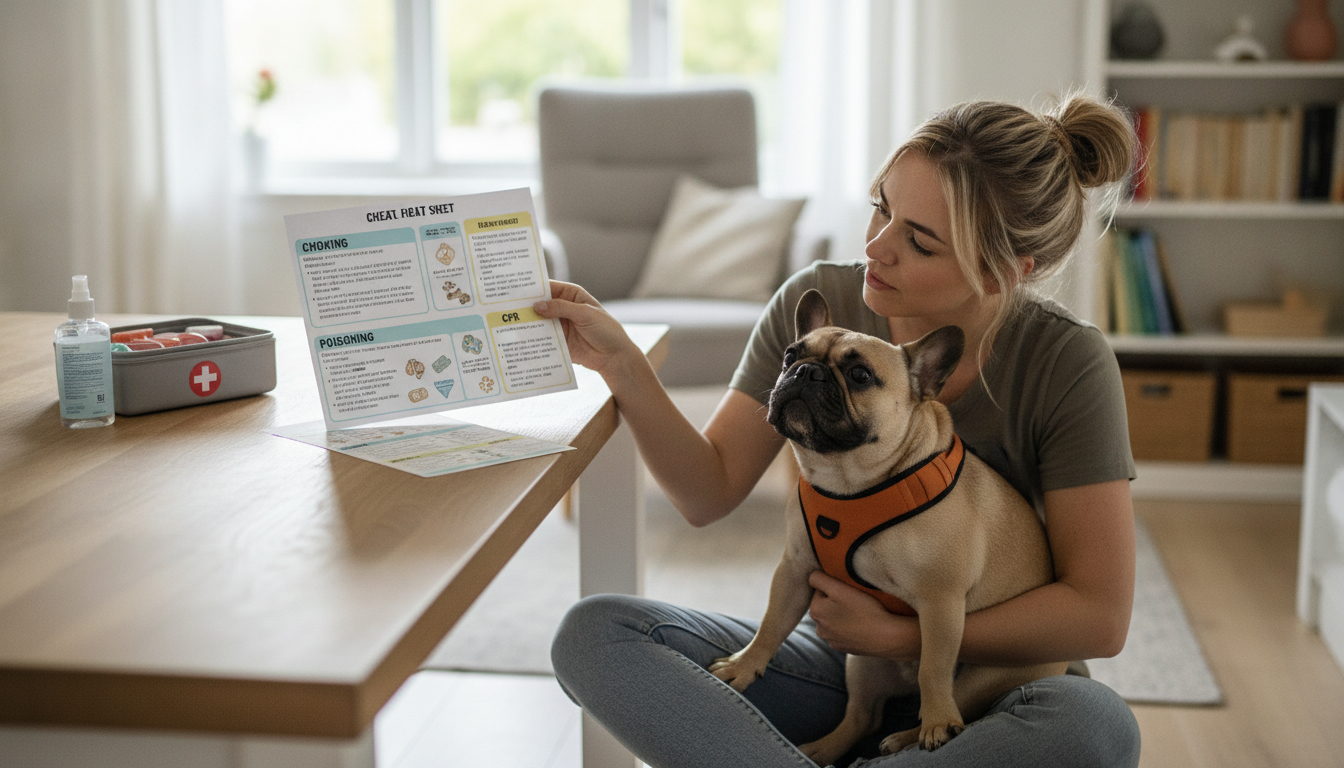
Pet First Aid Cheat Sheet: Printable Emergency Steps and Vet-Smart Tips
Emergencies with pets can escalate fast—especially when panic replaces a clear plan. A printable first-aid cheat sheet helps keep critical steps visible: what to do right now, what not to do, and when to head to the vet. Use the guidance below to prep a simple home plan, build a practical kit, and keep vital numbers where every caregiver can find them.
When a Pet Emergency Happens: The First 60 Seconds
The goal in the first minute is to protect yourself, prevent the situation from getting worse, and identify the “can’t-wait” red flags.
- Stay safe first: remove other animals, watch for bites, and move hazards (traffic, cords, chemicals).
- Quick check: responsiveness, breathing, and severe bleeding.
- If not breathing or no pulse: call an emergency clinic while starting CPR if trained; begin transport immediately.
- If bleeding heavily: apply firm pressure with a clean cloth/gauze; add layers without removing soaked ones.
- If poisoning is suspected: prevent further exposure, save the package/label, and call poison control or a vet before giving anything by mouth.
Printable Quick-Reference: Symptoms and What to Do Next
Use this as a fridge-ready guide; include your vet, emergency clinic, and poison control numbers beside it. If you’re unsure, call a vet—many conditions look mild until they become critical.
Emergency Signs: Immediate Actions and Vet Thresholds
| What you notice | Do this now | Go to the vet/ER when |
|---|---|---|
| Trouble breathing, blue/pale gums | Keep airway clear, minimize stress, transport | Immediately—do not wait |
| Uncontrolled bleeding | Direct pressure, pressure bandage if possible | Bleeding won’t stop in 5–10 minutes or pet is weak/collapsing |
| Seizure | Clear area, time it, keep hands away from mouth | Lasts >2 minutes, repeats, or first-time seizure |
| Suspected toxin ingestion | Remove access, keep sample/label, call poison control/vet | Immediately—especially with human meds, rodenticides, lilies, grapes/raisins, xylitol |
| Heat stress (heavy panting, drooling, weakness) | Move to cool area, cool with lukewarm water, offer small sips | Vomiting, collapse, or symptoms persist after cooling |
| Bloat signs (large-breed dogs: distended belly, retching) | No food/water, transport ASAP | Immediately—minutes matter |
Build a Pet First-Aid Kit That Actually Gets Used
A kit only helps if it’s organized, easy to grab, and stocked with items you’re comfortable using. Keep one at home and a smaller version in the car or travel bag.
- Bandage basics: sterile gauze pads/roll, non-stick pads, adhesive tape, self-adhering wrap (not too tight).
- Tools: blunt-tip scissors, tweezers, digital thermometer (pet-safe), flashlight, disposable gloves.
- Cleaning: saline/wound wash, chlorhexidine solution (pet-safe concentration), clean towels.
- Protection and transport: muzzle or soft wrap (only if needed and pet can breathe), blanket, collapsible carrier/leash.
- Documentation: vet records, current meds, microchip number, recent photos for identification.
For power outages, storms, and long drives to a 24/7 ER, a reliable phone charge can matter. A travel-friendly backup like the 200000mAh 120W Power Bank for iPhone and Apple Devices can help keep your maps, calls, and emergency notes accessible.
Common Scenarios and Vet-Smart First Aid
Cuts and punctures
Rinse with sterile saline, apply pressure for bleeding, and cover with a non-stick pad if you have one. Avoid hydrogen peroxide in deep wounds. Punctures, bites, or gaping wounds should be seen promptly—these can seal over and trap bacteria.
Sprains or limping
Restrict activity and use a cold pack wrapped in cloth for 10–15 minutes. If your pet can’t bear weight, yelps with touch, or swelling worsens, schedule urgent veterinary care.
Choking
If you can clearly see an object and can safely remove it with tweezers, do so. Don’t blindly sweep a finger in the mouth—this can push the object deeper or cause a bite. After any choking episode, seek vet guidance, especially if coughing or breathing changes continue.
Vomiting/diarrhea
Offer small sips of water to prevent dehydration and keep your pet calm and warm. Avoid human anti-diarrheals unless a veterinarian approves. Immediate care is needed for blood, repeated vomiting, severe abdominal pain, black/tarry stool, or lethargy.
Eye injuries
Flush with sterile saline and prevent rubbing with an e-collar if available. Squinting, cloudiness, swelling, or discharge warrants urgent veterinary evaluation—eyes can deteriorate quickly.
CPR and Rescue Breathing: A Simple Memory Aid
Hands-on instruction is worth it when seconds count. Consider a certified class for practical practice (see the American Red Cross cat and dog first aid resources).
Poisoning: What Not to Do
If you suspect exposure, contact a professional right away. Keep the ASPCA Animal Poison Control page bookmarked, and follow your veterinarian’s instructions.
Make the Cheat Sheet Work for Every Caregiver
For additional owner-focused guidance, the American Veterinary Medical Association (AVMA) pet first aid tips are a helpful reference.
Printable Option for Fast Reference
If you want a simple, fridge-ready layout you can share with sitters and family, the Must-Know Pet First-Aid Cheat Sheet (printable guide) is designed for quick scanning when time is tight.
Compare related options such as Premium Leather Magnetic Case for Apple iPhone to match features, dimensions, and use case before choosing.
FAQ
What should be on a pet first-aid cheat sheet?
Include emergency signs, immediate actions, what not to do, CPR basics, poisoning steps, and a contact block with your vet, nearest 24/7 ER, poison control, address, and after-hours instructions.
When should a pet go to the emergency vet instead of waiting?
Go immediately for trouble breathing, collapse, uncontrolled bleeding, repeated vomiting, bloat signs, seizures lasting more than a couple minutes, suspected toxins, severe pain, or any rapid worsening.
Can human first-aid products be used on pets?
Some supplies like sterile gauze and saline are commonly used, but many human medications and ointments can be dangerous. Check with a veterinarian before using pain relievers, anti-diarrheals, antibiotic creams, or antiseptics.
















Leave a comment