Find Your Decorating Style: Modern to Boho Guide
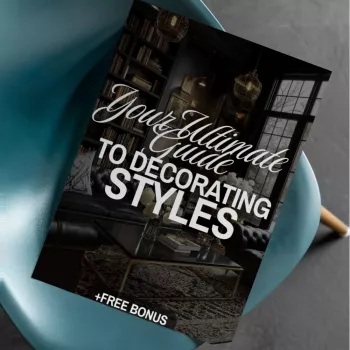
Your Ultimate Guide to Decorating Styles: Explore Types of Home Decor Styles for Every Home Aesthetic
Choosing a decorating style gets easier when the options are clear, the “rules” are flexible, and the decision is based on how a home actually functions day to day. Our team built this guide for that moment when inspiration boards feel scattered and you need a confident direction—whether your goal is a full refresh or a few intentional upgrades that finally make everything feel cohesive.
Start with the goal: the feeling, the function, and the footprint
If you start with “what style should I pick?” it’s easy to get stuck. Start with what you need your rooms to do for you.
- Define the feeling first: calm, energized, cozy, airy, dramatic—choose the mood so the look supports how the room should feel.
- List non-negotiables: seating count, kid/pet durability, work-from-home zones, storage needs, and lighting requirements.
- Work with the footprint: small spaces often benefit from lighter palettes and fewer visual breaks; larger rooms can handle stronger contrast and bigger silhouettes.
- Choose a “hero” element: anchor decisions around a sofa, rug, wall color, dining table, or statement light, then build out from there.
Decorating styles at a glance: quick cheat sheet
Use this snapshot to narrow down 2–3 favorites before you shop. Notice overlaps—many homes land between styles (Modern + Scandinavian, Transitional + Traditional, Industrial + Minimal). If a style feels right but too intense, soften it with neutrals, natural textures, and fewer statement pieces.
| Style | Typical palette | Materials & textures | Signature pieces | Works best when |
|---|---|---|---|---|
| Modern | Neutrals, black/white, bold accents | Glass, metal, smooth woods | Low-profile sofa, geometric art, minimal window treatments | Clutter is controlled and the layout stays open |
| Scandinavian | Soft whites, warm grays, muted tones | Light woods, wool, linen, matte finishes | Simple silhouettes, cozy throws, functional storage | Comfort and practicality matter as much as aesthetics |
| Farmhouse (Modern Farmhouse) | Creams, warm neutrals, soft contrast | Reclaimed wood, cotton, iron, ceramics | Apron sink vibe, plank textures, oversized lighting | The space benefits from warmth and lived-in charm |
| Bohemian | Earth tones + saturated color layers | Rattan, woven textiles, mixed patterns | Gallery walls, floor cushions, plants, vintage finds | Personality and collected pieces are the priority |
| Industrial | Charcoal, browns, weathered neutrals | Brick, steel, leather, raw wood | Exposed lighting, metal shelving, utilitarian forms | Architectural details can be highlighted rather than hidden |
| Traditional / Transitional | Classic neutrals, deep accents | Wood, upholstery, polished metals | Tailored sofas, symmetry, timeless patterns | A polished, enduring look is preferred over trends |
How to identify a personal style without starting over
- Scan what already works: a favorite chair, the rug that always stays, or a color you repeat across rooms—these are real clues.
- Create a short “yes list”: five must-haves (warm wood, rounded shapes, minimal patterns, greenery, brass accents).
- Create a “no list”: eliminate impulse buys (high-gloss finishes, super-busy prints, heavy dark wood, too many open shelves).
- Pick a blend: aim for 70% base style + 30% supporting style to keep the space consistent but not cookie-cutter.
Mixing styles that actually look intentional
- Unify with one constant: a consistent color story, repeated wood tone, or one metal finish carried across the room.
- Balance eras and shapes: pair clean-lined modern seating with one traditional curve (mirror, lamp, or side table) to avoid a “theme set.”
- Use texture as the bridge: weave, linen, bouclé, leather, stone, and matte ceramics help different styles read as one collection.
- Limit statement moments: keep one primary focal point per zone (living, dining, entry) so the room feels calm.
Room-by-room priorities: what to choose first
Color, pattern, and materials: simple rules that prevent regret
Put it all together with the eBook: a clear path from inspiration to a finished look
If you want a streamlined way to compare styles and make decisions faster, our team recommends our internal resource: Your Ultimate Guide to Decorating Styles: Explore Types of Home Decor Styles eBook for Every Home Aesthetic. You can use it to evaluate style definitions side by side, then follow a repeatable checklist for each room: anchor piece → palette → textures → lighting → finishing details.
Two small tools that can support a smoother refresh
- Wireless Bluetooth Backlit Number Pad for Apple Devices: handy when you’re budgeting, measuring, and tracking purchases in spreadsheets—especially during a whole-home refresh.
- Mini Pocket DAB/DAB+ FM Radio MP3 Player with Speaker & Rechargeable Battery: useful for keeping momentum up during decluttering and styling sessions.
Best ways to use this guide during a refresh
Trusted references for deeper design context
If you want a more foundational overview of interiors and color systems, these references are worth bookmarking: Encyclopaedia Britannica: Interior design, American Society of Interior Designers (ASID): Resources, and Pantone Color Institute.
FAQ
How many decorating styles should be used in one home?
For the most cohesive result, use one primary style with one supporting influence. Keep everything aligned by repeating a shared palette, consistent finishes (like the same metal family), and similar silhouettes across rooms.
What’s the easiest way to make a room look pulled together fast?
Start with an anchor piece (usually a rug or sofa), set a simple 2–3 color palette, then add layered lighting. Repeat a few textures—like wood, linen, and metal—in multiple items so the space feels intentional quickly.
Can decorating styles be mixed without looking cluttered?
Yes—mixing works when you limit statement pieces and unify the room with one constant (color story or finish). A 70/30 split and one focal point per zone helps the space feel curated instead of chaotic.









Leave a comment