100W Foldable Solar Panel: Quiet Charging Off-Grid
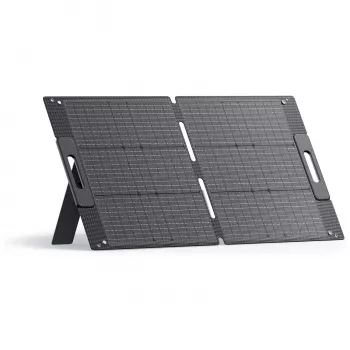
100W Foldable Solar Panel for Portable Power Stations: Simple, Quiet Power Anywhere
A portable power station is only as useful as the way it gets recharged. A foldable solar panel adds a clean, quiet option for topping up off-grid—at camp, on the road, or during an outage—without hauling fuel or hunting for outlets. Our 100W foldable solar panel is built around the basics that matter: portability, straightforward setup, and everyday dependability for portable power station charging. For more guidance, see Best Portable Solar Panels and Solar Battery Chargers.
Solar is also one of the simplest ways to add daytime energy when you’re trying to stay low-noise and low-maintenance. If you want a deeper technical refresher on how photovoltaics work, the National Renewable Energy Laboratory and the U.S. Department of Energy both offer clear overviews: NREL: Solar Photovoltaic Technology Basics and U.S. Department of Energy: Solar Energy Basics. For further reading, see Apowking Portable Power Station and Solar Generator.
What a 100W foldable solar panel is good for
A 100W foldable panel is a practical size for “bring-it-with-you” charging. It won’t replace a full rooftop array, but it can meaningfully extend how long your power station stays useful away from outlets.
- Daytime recharging for portable power stations while camping, overlanding, or working outdoors
- Emergency readiness: a no-fuel way to keep a power station topped up when the grid is unreliable
- Mobile routines: charging at a campsite, trailhead, or job site while keeping the power station inside a vehicle or shaded area
- Low-noise living: solar charging avoids generator noise and fumes in close quarters
The everyday experience: set up, aim, charge
Real-world solar performance comes down to placement and small habits. Most of the time, “better charging” looks like avoiding shade, adjusting the tilt, and keeping your power station cooler than the panel.
- Place the panel in direct sunlight and angle it toward the sun for stronger output; small angle changes can make a noticeable difference
- Keep the power station itself out of direct heat when possible; charge with the panel in sun and the station in shade
- Start with a clear, safe path for the cable so it is not pinched in doors, stepped on, or pulled tight
- Reposition as the sun moves—checking once or twice during the day can improve results compared with leaving it flat
Quick setup checklist
| Step | What to check | Why it helps |
|---|---|---|
| Pick a spot | Full sun, minimal shade | Shade on even part of a panel can reduce output |
| Angle the panel | Face the sun, adjust tilt | Improves charging consistency through the day |
| Connect safely | Cable not strained or pinched | Prevents interruptions and wear |
| Keep gear cool | Power station shaded/ventilated | Helps charging stability in warm conditions |
Compatibility: matching a foldable panel to a portable power station
The most important “fit check” isn’t physical size—it’s electrical. Solar input limits are there to protect your power station, so it’s worth confirming your station’s accepted voltage range, maximum current, and maximum solar input watts.
If you’re building a kit for outages, it can help to pair solar with low-draw essentials. For example, keeping updates and weather on a small device can reduce the temptation to run larger loads. Our team often sees customers pair a power station setup with a compact radio like our Mini Pocket DAB/DAB+ FM Radio MP3 Player with Speaker & Rechargeable Battery for quiet information and entertainment.
Portability details that matter on trips
If you work remotely from the road, you can also use solar time to keep your core devices topped off while you handle lighter tasks. Some customers add small productivity accessories—like our Wireless Bluetooth Backlit Number Pad for Apple Devices—to make vehicle or campsite work more comfortable once power is available.
Care tips for longer service life
When a 100W panel is the right choice—and when to size up
Choosing solar capacity by routine
| Routine | Typical goal | What to prioritize |
|---|---|---|
| Weekend camping | Top up between uses | Portability and simple setup |
| Road trips/RV stops | Daily recharge opportunities | Fast deployment and safe storage |
| Emergency backup | Keep power station usable for essentials | Reliability and realistic charging windows |
| Work outdoors | Maintain power during the day | Angle control and consistent sun access |
Product pick from our shop
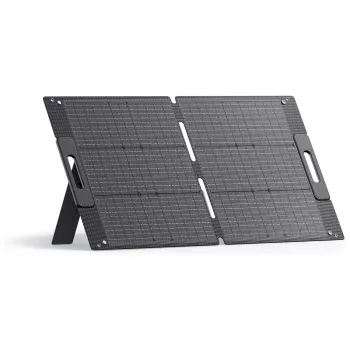
- 100W Foldable Solar Panel for Portable Power Stations is available for customers building a compact off-grid charging kit
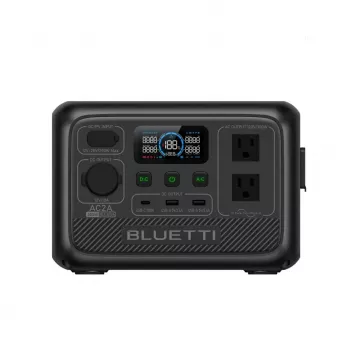
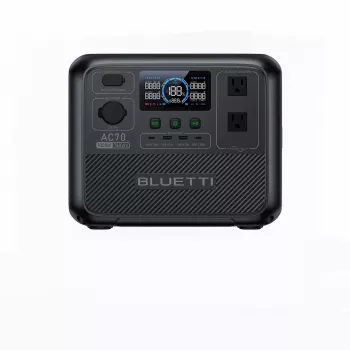
- Pairs well with a portable power station for quiet, daytime replenishment without fuel storage
- Best practice: confirm your power station’s solar input limits and connector type before checkout to avoid adapter surprises
At-a-glance details
| Item | What it is for | Availability |
|---|---|---|
| 100W Foldable Solar Panel for Portable Power Stations | Solar charging for compatible portable power stations | In stock |
FAQ
Will a 100W foldable solar panel charge any portable power station?
Not always. Compatibility depends on your power station’s accepted solar input voltage range, connector type, and maximum input watts/current, so you’ll want to match those limits to the panel and any adapter you plan to use.
How much power should be expected from a 100W solar panel in real use?
The 100W figure is a peak rating under ideal sun and temperature conditions. In everyday use, output changes with panel angle, clouds, heat, and shading, so planning extra charging time and adjusting placement typically pays off.
What is the best way to position a foldable solar panel for stronger charging?
Set the panel in direct sunlight, face it toward the sun with a helpful tilt, and avoid partial shade on any section. For steadier charging, adjust once or twice as the sun moves and keep your power station shaded and ventilated.













Leave a comment