Sustainable Luxury Interiors: AI Planning + Checklist

Sustainable Luxury Interiors Guide: Eco-Friendly Design, AI Planning, and a Modern Styling Checklist
Sustainable luxury interior design balances refinement with responsibility: healthier materials, long-lasting pieces, and thoughtful layouts that reduce waste. The goal isn’t to “do more”—it’s to make fewer decisions that work harder: surfaces that age beautifully, textiles that can be cleaned instead of replaced, and a cohesive plan that prevents costly, landfill-bound do-overs. Below is a practical process for defining your look, selecting low-impact finishes and furnishings, using AI tools to visualize choices, and applying a room-by-room checklist for a modern home that feels calm, elevated, and livable.
What “sustainable luxury” looks like in a modern home
Sustainable luxury is less about novelty and more about restraint, quality, and comfort.
- Longevity first: fewer, better pieces designed to last, be repaired, and remain visually relevant.
- Comfort and health: low-emission finishes, good ventilation, and textiles that are easy to keep clean.
- Craft and material honesty: solid woods, natural stones, responsibly sourced metals, and high-quality textiles that don’t rely on heavy coatings to look “premium.”
- Calm, layered palettes: neutral foundations, tactile surfaces, and intentional accent moments rather than constant trend-chasing.
- Life-cycle thinking: sourcing, transport, maintenance, and end-of-life options (resale, reuse, or recycling).
Start with a style brief that protects the budget and the planet
A style brief is the quiet driver of a high-end result. It keeps you from replacing things that already work and helps every new purchase earn its footprint.
- Define non-negotiables: how you live day to day, what needs to store where, and how each space must perform (work, host, rest, recharge).
- Create a “keep list”: floors, millwork, and any heirloom furniture worth refreshing rather than replacing.
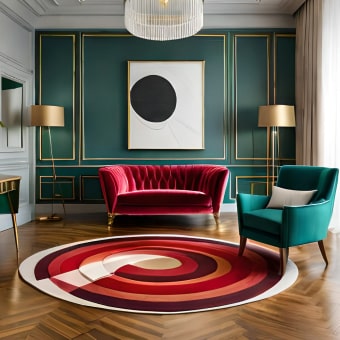
- Pick 3–5 hero upgrades: lighting, hardware, one standout rug, a signature paint color, or a single sculptural chair can transform a room with minimal waste.
- Plan maintenance early: washable slipcovers, durable finishes, and readily available replacement parts prevent premature disposal.
- Use a sourcing hierarchy: vintage/antique first, then certified/verified new, then custom only when it meaningfully increases durability or function.
Material selection that feels premium—and stays low-impact
Luxury-grade materials don’t need to be chemically intensive. A few checkpoints help you choose finishes that look high-end and support healthier indoor air.
- Wood: look for credible certification and reclaimed options; choose species appropriate to wear (not every “pretty” wood is practical for floors).
- Paints and sealants: choose low-VOC/zero-VOC options and allow proper curing with ventilation. The EPA provides a helpful overview of VOCs and indoor air quality.
- Textiles: favor wool, linen, organic cotton, and high-rub-count upholstery; verify stain treatments and cleaning requirements to avoid harsh cleaners later.
- Stone and tile: aim for timeless finishes; consider salvaged stone or locally available options to reduce transport impact.
- Metals and hardware: prioritize repairable construction and classic finishes that age well instead of flaking or spotting.
- Adhesives and composites: minimize products associated with high formaldehyde emissions; ask for emissions information where available.
Quick Material Checks for a Luxury-Grade, Eco-Conscious Interior
| Category | Better choice | What to verify | Best use cases |
|---|---|---|---|
| Flooring | Refinished hardwood, reclaimed wood, responsibly sourced engineered wood | Durability, finish VOC level, repairability | Living areas, bedrooms, hallways |
| Paint | Low-VOC/zero-VOC interior paint | VOC data, washability rating, curing time | Whole-home refreshes, trim updates |
| Upholstery | Wool, linen, organic cotton, quality blends | Rub count, pilling, cleanability, dye stability | Sofas, dining chairs, headboards |
| Casegoods | Solid wood, vintage pieces, quality joinery | Construction method, finish emissions, hardware replaceability | Consoles, dressers, nightstands |
| Lighting | LED with warm CRI, serviceable fixtures | Replaceable bulbs/drivers, dimmer compatibility | Ambient layers, statement pendants |
When buying new wood products, look for credible chain-of-custody programs such as FSC certification. For low chemical emissions, certifications like UL GREENGUARD can be a useful screening tool for some furniture and building products.
Using AI tools to plan layouts, palettes, and purchases
AI can reduce waste by helping you test ideas before you buy. The best results come from treating AI as a fast sketch partner—not the final authority.
Room-by-room sustainable luxury styling checklist
Digital guide option for faster decisions and fewer costly mistakes
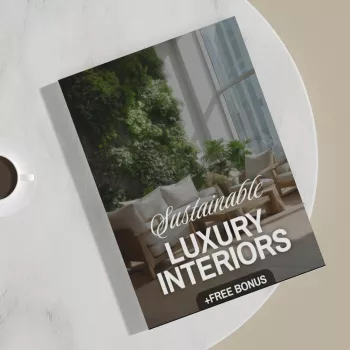
Sustainable Luxury Interiors Guide (Digital Download)
For a streamlined, room-by-room approach, the Sustainable Luxury Interiors Guide (digital download) is designed as a practical reference for eco-friendly interior design choices and a modern styling structure.
If you’re mapping budgets, measurements, or procurement lists on a laptop or tablet, a dedicated keypad can make the planning phase faster and less error-prone: Wireless Bluetooth Backlit Number Pad for Apple Devices. For sound layering while you work (especially in a home office refresh), consider a simple desktop option like the Mini Pocket DAB/DAB+ FM Radio MP3 Player with Speaker & Rechargeable Battery.
FAQ
What makes an interior “luxury” if it’s also sustainable?
Luxury comes from craftsmanship, longevity, comfort, and a cohesive point of view. Sustainability supports that same outcome through responsible materials, low-toxin choices, repairability, and fewer replacements over time.
Can AI tools replace an interior designer for sustainable renovations?
AI is strongest for ideation, visualization, and quick layout exploration. Measurements, building constraints, safety, and detailed specifications still require human verification and, for many renovations, professional input.
Which upgrades deliver the biggest impact without a full remodel?
Lighting layers, low-emission paint, upgraded textiles (rugs and drapery), hardware swaps, and selective furniture upgrades tend to change a space dramatically. Pairing those updates with a checklist helps avoid overbuying and keeps the look consistent.










Leave a comment