Bone Conduction Sleep Soundbar: Bluetooth + Timer
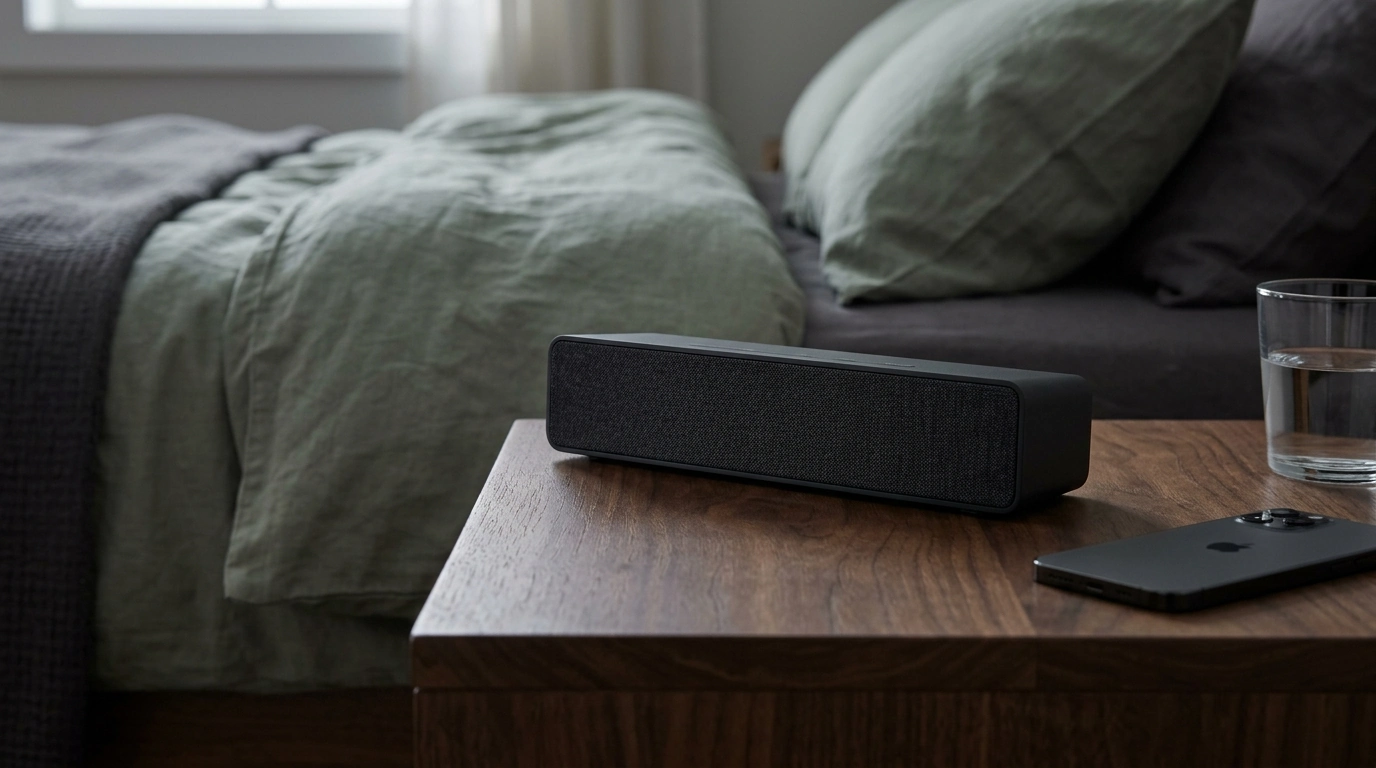
Bone Conduction Sleep Speaker with Timer and Bluetooth – White Noise Soundbar
A compact sleep soundbar can make it easier to wind down, mask disruptive noise, and keep audio at a comfortable level through the night. This bone conduction sleep speaker pairs Bluetooth playback with built-in white noise and a timer, offering a bedside-friendly way to set a sleep routine without leaving audio running until morning.
If you’re setting up a calmer bedroom, the Bone Conduction Sleep Speaker with Timer and Bluetooth – White Noise Soundbar gives you multiple ways to create a consistent nighttime sound environment—without needing a full-size speaker or a separate white noise machine.
What Makes This Sleep Soundbar Different
Not all sleep speakers are built for low-distraction use. This model focuses on steady sound, simple controls, and the option to limit playback automatically.
- Bone conduction-style vibration output: Designed to deliver sound through contact with a surface, which may help reduce the need for higher room volume in some setups.
- Bluetooth playback: Stream calming music, podcasts, or guided meditation from a phone or tablet.
- Built-in white noise options: Helpful for masking traffic, roommates, snoring, or intermittent neighborhood sounds.
- Timer function: Limits playback time for fewer overnight disruptions and less energy use.
For a deeper look at how steady sound can support sleep for some people, see the Sleep Foundation’s overview of white noise and sleep.
Best Placement for Comfort and Clearer Sound
Because vibration-based audio can interact with the surface it sits on, placement matters more than it does with many standard bedside speakers. A few small adjustments can noticeably change perceived loudness and tone.
- Nightstand placement: Keeps controls within reach and works well for white noise or Bluetooth audio at low volume.
- Surface-coupled placement: Set the speaker on a solid surface (wood nightstand, desk, or shelf) to encourage vibration-based sound transfer.
- Avoid soft, unstable surfaces: Thick fabric or a wobbly stack of books can dampen vibration and reduce clarity.
- Adjust distance from walls: If bass resonance becomes distracting, move it a few inches away from a wall to change the tone.
Tip for shared rooms: aim the speaker so the sound is consistent near your bed but not “boomy” across the entire room. Low and steady is usually more sleep-friendly than loud and dynamic.
Timer and Night Routine Ideas
A sleep timer is one of the most practical features for bedtime audio. It lets you enjoy a comforting routine while reducing the odds of waking up to a blaring intro, autoplay episode, or battery drain.
- Short timer (15–30 minutes): Great for podcasts or audiobooks—long enough to drift off, short enough to avoid an all-night playlist.
- Medium timer (30–60 minutes): Works well for guided meditations, breathwork, and calming playlists that naturally taper.
- Consistent cues: Dim the lights, put the phone face-down, start the same sound nightly, and let the timer do the rest.
- Mix-and-match approach: If early-morning wake-ups are common, use built-in white noise for longer masking while keeping Bluetooth playback shorter.
For many sleepers, consistency is the real win: the brain begins to associate the same sound and timer length with powering down for the night.
Bluetooth Performance and Everyday Use
Bluetooth is convenient, but bedtime use has a few unique priorities: stable connection, predictable volume, and minimal fiddling once you’re comfortable.
Bluetooth is a widely adopted wireless standard; for a plain-language overview of how it works, the Bluetooth SIG provides a helpful introduction.
Quick Comparison: Sleep Modes and When to Use Them
| Setup | Best for | Suggested timer |
|---|---|---|
| Built-in white noise only | Masking ongoing background noise | 60–120 minutes (or as needed) |
| Bluetooth guided meditation | Falling asleep faster with structured cues | 15–45 minutes |
| Bluetooth audiobook/podcast | Listening without waking up later to ongoing audio | 15–30 minutes |
| White noise + short Bluetooth session | Relaxation first, then steady masking | Bluetooth 15–30 minutes; white noise longer |
Care, Charging, and Safe Listening Habits
For general guidance on protecting hearing, the National Institute on Deafness and Other Communication Disorders has a useful overview of noise-induced hearing loss.
Who This Speaker Suits Best
Related In-Stock Audio Option
If you want a portable device for daytime listening or travel (separate from your sleep setup), consider the Mini Pocket DAB/DAB+ FM Radio MP3 Player with Speaker & Rechargeable Battery. Keeping sleep audio and daytime audio separate can make it easier to maintain a consistent wind-down routine at night.
FAQ
Can white noise help with sleep?
White noise can help some people by masking sudden sound changes (like hallway noise or traffic) with a steady, consistent background. Results vary by person, so it’s best to keep the volume low and comfortable and see how your sleep responds over a few nights.
How long should the sleep timer be set for?
A practical starting point is 15–30 minutes for podcasts or audiobooks, 30–60 minutes for meditation, and longer for steady masking sounds. Experiment for a week and adjust based on how quickly you typically fall asleep and whether you wake up later in the night.
Will Bluetooth audio disconnect during the night?
It can happen if the phone is too far away, there are heavy obstacles, or power-saving settings interfere with background playback. Keep the phone nearby, reduce interference, and consider using built-in white noise as a reliable fallback if streaming ever drops.













Leave a comment