Folding Ladder + Scaffold Boards: Safer DIY Platforms
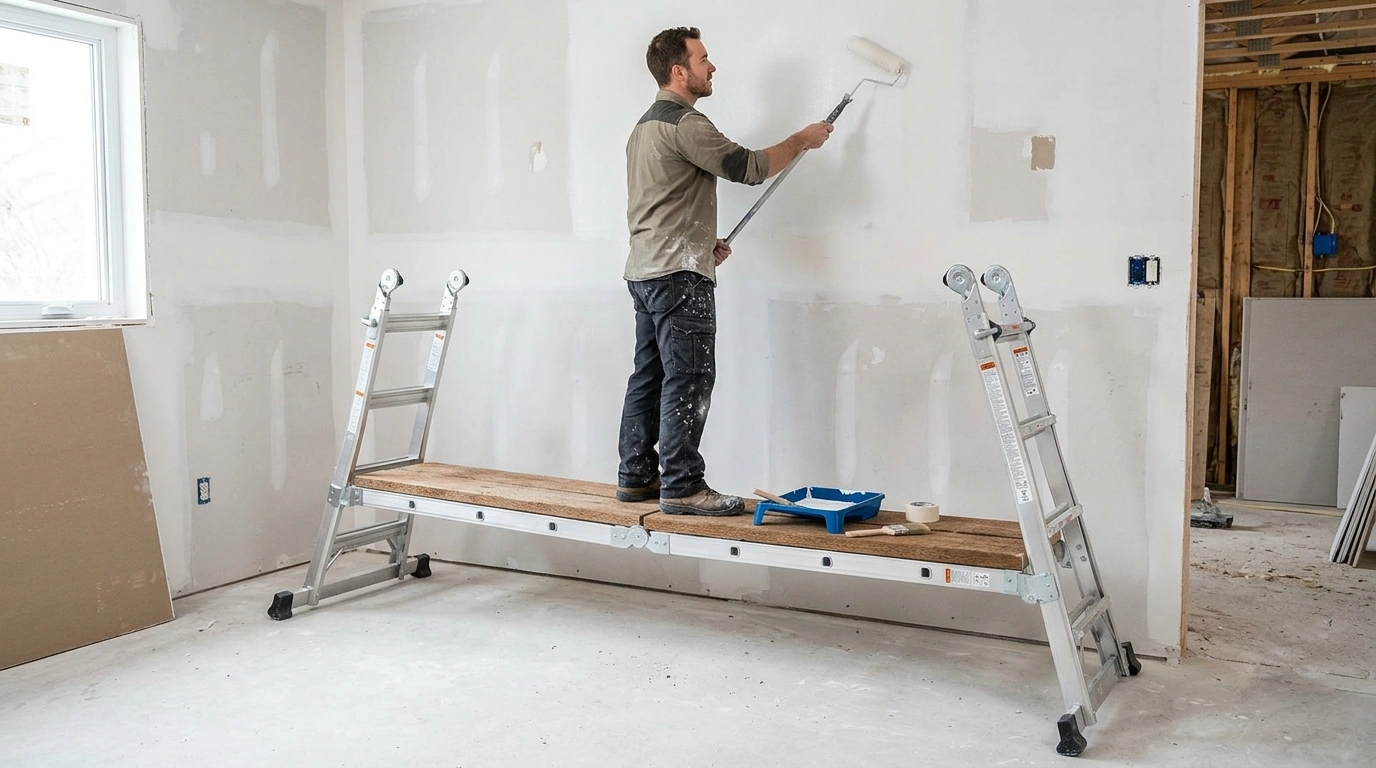
Multi-Purpose Folding Ladder with Scaffold Boards: Versatile Access and Platform Support for Home Projects
A folding ladder that converts into a scaffold-style platform can simplify painting, drywall work, gutter checks, and indoor maintenance—especially when stability and reach are both needed. This guide breaks down practical use cases, key safety habits, and what to look for so the ladder-and-board setup performs reliably across common DIY and light jobsite tasks.
If you’re shopping for a convertible option that covers both climbing and platform-style work, consider the Multi-Purpose Folding Ladder with Scaffold Boards for projects that benefit from quick configuration changes and a wider standing area.
What a Folding Ladder with Scaffold Boards Does Best
A multi-position folding ladder paired with scaffold boards is at its best when a project needs both vertical access and a place to work side-to-side without constant repositioning. Instead of treating a ladder as a “get up and get down” tool, the platform mode turns it into a practical work zone—helpful for finishing, detailing, and repetitive tasks.
- Combines climbing access (ladder modes) with a wider working area (board-supported platform) for tasks that require moving side-to-side.
- Helps reduce repeated up-and-down climbs during painting, patching, taping, light fixture swaps, and trim work.
- Works well in tight storage spaces thanks to a foldable design that can fit in closets, garages, or utility rooms.
- Supports multi-room projects by converting between configurations rather than swapping tools.
- Useful for indoor jobs (hallways, stairwells when positioned safely) and outdoor jobs (eaves, fencing, exterior walls) when ground is firm and level.
Common Configurations and When to Use Them
| Configuration | Best for | Setup tip | Watch-outs |
|---|---|---|---|
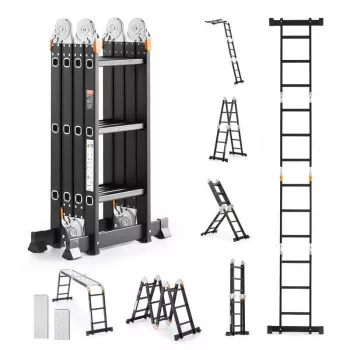
| A-frame (step-ladder) | Ceiling corners, light fixtures, indoor painting | Fully lock hinges and confirm feet sit flat | Avoid leaning sideways; reposition instead |
| Extension/leaning ladder | Gutters, exterior walls, roofline checks (as permitted by ladder guidance) | Use a stable contact point and keep a safe climbing angle | Never place on unstable surfaces or slippery ground |
| Scaffold platform with boards | Long wall painting, drywall seams, sanding, taping | Ensure boards are seated/secured per manufacturer instructions and locks are engaged | Do not exceed platform rating; keep load centered |
| Work platform/bench mode | Low-height tasks like baseboards, cabinet installs, detail work | Keep the platform level and distribute tools evenly | Avoid dynamic loads (jumping, sudden impacts) |
Key Parts That Affect Stability and Usability
Convertible ladders ask more of their joints, locks, and contact points because you’re changing geometry to match the job. Paying attention to a few parts can make setups feel more predictable—especially in platform mode where you’re moving laterally and keeping tools nearby.
- Hinges and locking mechanisms: Look for positive, secure locks that are easy to confirm by sight and feel before climbing.
- Feet and ground contact: Wide, non-slip feet help resist sliding; check wear and keep them clean of paint, mud, or sawdust.
- Rungs/steps: Textured rungs reduce slipping; consistent spacing improves comfort over long sessions.
- Scaffold boards: A rigid, grippy surface improves confidence when moving along the platform; confirm seating points and compatibility.
- Frame material and build: Sturdy construction helps reduce flex; inspect for dents, cracks, or loose fasteners before each use.
- Portability: Folding design and manageable carry profile matter when moving between rooms or loading into a vehicle.
Safety Habits for Ladder + Board Setups
Because platform configurations change how weight is distributed, safe habits matter as much as build quality. For jobsite-aligned guidance, review the basics from OSHA’s portable ladder standard and the American Ladder Institute resources.
- Confirm the duty rating and never exceed the total load (person + tools + materials) specified by the manufacturer.
- Lock all hinges before climbing and re-check locks after repositioning.
- Set up on a firm, level surface; use leveling accessories only if approved for the ladder.
- Maintain three points of contact when climbing; keep belt buckle centered between side rails to avoid overreaching.
- Keep the platform load centered and avoid concentrated loads near edges unless the design explicitly supports it.
- Use caution around doors, foot traffic, and pets; block off the area to prevent bumps and sudden shifts.
- Avoid use in high winds outdoors; keep surfaces dry and free of overspray, dust, or oil.
Project Ideas Where a Platform Makes a Real Difference
For longer sessions, a simple add-on can help the work feel less tiring: the Mini Pocket DAB/DAB+ FM Radio MP3 Player with Speaker & Rechargeable Battery is an easy way to keep audio close without running cords across a work zone.
Setup Checklist Before Each Use
If you like to track measurements, part lists, or paint quantities while moving room-to-room, the Wireless Bluetooth Backlit Number Pad for Apple Devices can speed up quick calculations without balancing a full keyboard on a makeshift surface.
Care, Storage, and Longevity Tips
For additional fall-prevention guidance and safe work practices, consult NIOSH’s ladder and fall safety information.
FAQ
Can scaffold boards be used on any folding ladder?
No. Scaffold boards should match the ladder’s intended support points and locking geometry; using mismatched boards can slip, shift, or overload the rails. Use only manufacturer-approved boards and follow the stated platform configuration.
How should total weight be calculated for a ladder platform?
Add the weight of the person plus clothing/gear, tools, and any materials that will be on the platform at the same time. Compare that total to the ladder’s rated capacity for the specific configuration, and remember quick movements can temporarily increase effective load.
What is the safest way to set the ladder up on slightly uneven ground?
Avoid uneven ground whenever possible and relocate to a firm, level area. If you can’t, use only manufacturer-approved leveling accessories, keep the platform level, and never rely on improvised shims—full, stable foot contact is essential.













Leave a comment