2-in-1 Cardboard Cat Scratcher Lounge Bed for Cats

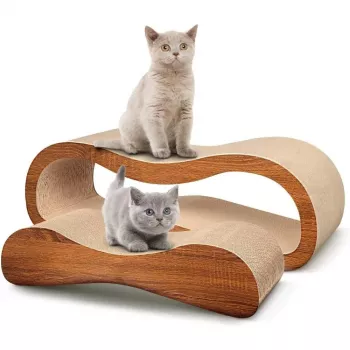
2 in 1 Cat Scratcher and Lounge Bed – Durable Cardboard Cat Scratch Board
A well-placed scratcher can protect furniture, satisfy natural scratching instincts, and double as a favorite nap spot. This 2-in-1 cardboard scratcher and lounge bed is designed to give cats a dedicated place to claw, stretch, and settle in—while keeping cleanup and placement simple for the home.
Why a scratcher that also works as a lounge matters
Cats don’t scratch just to “be naughty”—they scratch because it’s a built-in need. When the scratch surface also feels like a comfy resting spot, it becomes easier to make it part of your cat’s daily routine.
- Supports natural behaviors: Scratching helps cats shed old claw sheaths, mark territory with scent glands in their paws, and stretch the shoulders and spine.
- Encourages repeat use: A scratch surface that also functions like a bed often becomes a “home base,” so cats return to it throughout the day.
- Reduces conflict with furniture: An appealing scratch + rest option near problem areas can redirect attention away from sofas, rugs, and doorframes.
- Simplifies space planning: One item can replace a separate scratch pad and cat bed—especially helpful for smaller rooms or multi-cat hangout zones.
For additional guidance on feline enrichment and healthy daily activity, resources from the ASPCA can help build a balanced routine around play, rest, and appropriate scratching.
Design features to look for in a durable cardboard scratch board
Not all cardboard scratchers feel the same to a cat—or hold up the same for a household. A few practical design cues make a big difference in daily use.
- Dense corrugated layers: Tighter, heavier cardboard typically lasts longer and stands up better to vigorous scratching sessions.
- Stable footprint: A wider base reduces sliding and tipping when cats launch into a full-body scratch.
- Curved lounge profile: A contoured shape supports a cat’s body and can make the scratcher feel like a cozy recliner rather than “just” a pad.
- Reversible or replaceable surface (when available): A fresh side or insert can extend usable life.
- Low-mess edges: Well-finished edges help reduce flaking and keep cardboard crumbs more contained.
Providing approved scratch surfaces is also a practical alternative to more drastic measures. The American Veterinary Medical Association (AVMA) discusses declawing and emphasizes the importance of scratching as a normal behavior—making good scratch options a smart, cat-friendly choice.
At-a-glance specs and benefits
This style of scratcher-and-bed is built for everyday life: scratch breaks, post-meal lounging, and a predictable “calm spot” that cats can claim as their own.
- Use-cases: Daily scratching, lounging, post-meal naps, and a calming spot near windows or in quiet corners.
- Best placement: Near a favorite resting area, near a previously targeted furniture corner, or alongside a cat tree to create a dedicated “scratch zone.”
- Helpful for multi-cat homes: Adding more than one scratch station can reduce competition and stress.
Quick comparison: scratcher-and-bed vs. common alternatives
| Option | What cats tend to like | What to watch for | Best for |
|---|---|---|---|
| Cardboard scratcher + lounge bed | Satisfying texture, lounging comfort, easy to approach | Cardboard debris; replace when worn | Cats that scratch and nap in the same spot |
| Flat scratch pad | Good for quick scratches; simple shape | May slide on hard floors; less “nesting” comfort | Budget setups and small spaces |
| Vertical scratch post | Full stretch scratching; strong engagement | Needs stability and adequate height | Cats that prefer upright scratching |
| Carpet/fabric scratchers | Familiar texture for some cats | Can encourage carpet scratching if too similar to home flooring | Homes without carpet concerns |
How to introduce it so a cat actually uses it
Even the best scratcher can get ignored if it’s tucked away or introduced without a little strategy. The goal is to make the scratcher the most obvious, rewarding option in the room.
- Start with location: Place it where scratching already happens (near a sofa arm, hallway corner, or bedroom doorway).
- Make it “the best seat”: Put it near a sunny window, next to a favorite blanket, or close to where the household spends time.
- Use gentle incentives: Sprinkle catnip (if your cat responds to it) or offer a treat when your cat approaches or scratches it.
- Avoid punishment elsewhere: If unwanted scratching begins, calmly redirect by moving your cat to the scratcher, then reward.
- Keep claws maintained: Regular trimming helps reduce snagging and can make scratch sessions more comfortable.
Care, cleanup, and when to replace
Cardboard scratchers are meant to be used aggressively—so a little mess is normal. With simple upkeep, the area stays tidy and the scratcher stays appealing.
Who this 2-in-1 scratcher and lounge bed is best for
Product option available now
If you want a single-piece option that covers both “scratch time” and “nap time,” this in-stock pick is available now: 2 in 1 Cat Scratcher and Lounge Bed – Durable Cardboard Cat Scratch Board.
Also available in the shop (in stock): Wireless Bluetooth Backlit Number Pad for Apple Devices and Apple Watch Silicone Sport Strap.
FAQ
How long does a cardboard cat scratcher typically last?
It depends on your cat’s size, how intensely they scratch, and how many cats share it. Many households get anywhere from a few weeks to a few months; deep grooves, peeling layers, wobbling, or declining interest are common signs it’s time to replace.
Where should a cat scratcher be placed for best results?
Put it where your cat already tries to scratch (like near a sofa corner) and near favorite resting spots in social rooms. In multi-cat homes, adding multiple scratchers in different areas helps reduce competition and keeps scratch options easy to find.
Is cardboard safe if a cat chews or eats small bits?
Tiny bits are usually low-risk, but repeated chewing or swallowing should be discouraged. Remove loose pieces, monitor your cat, and contact your veterinarian if you notice ongoing ingestion, gagging, vomiting, or appetite changes.













Leave a comment