Vacuum Anxiety in Pets: A Gentle Training Routine
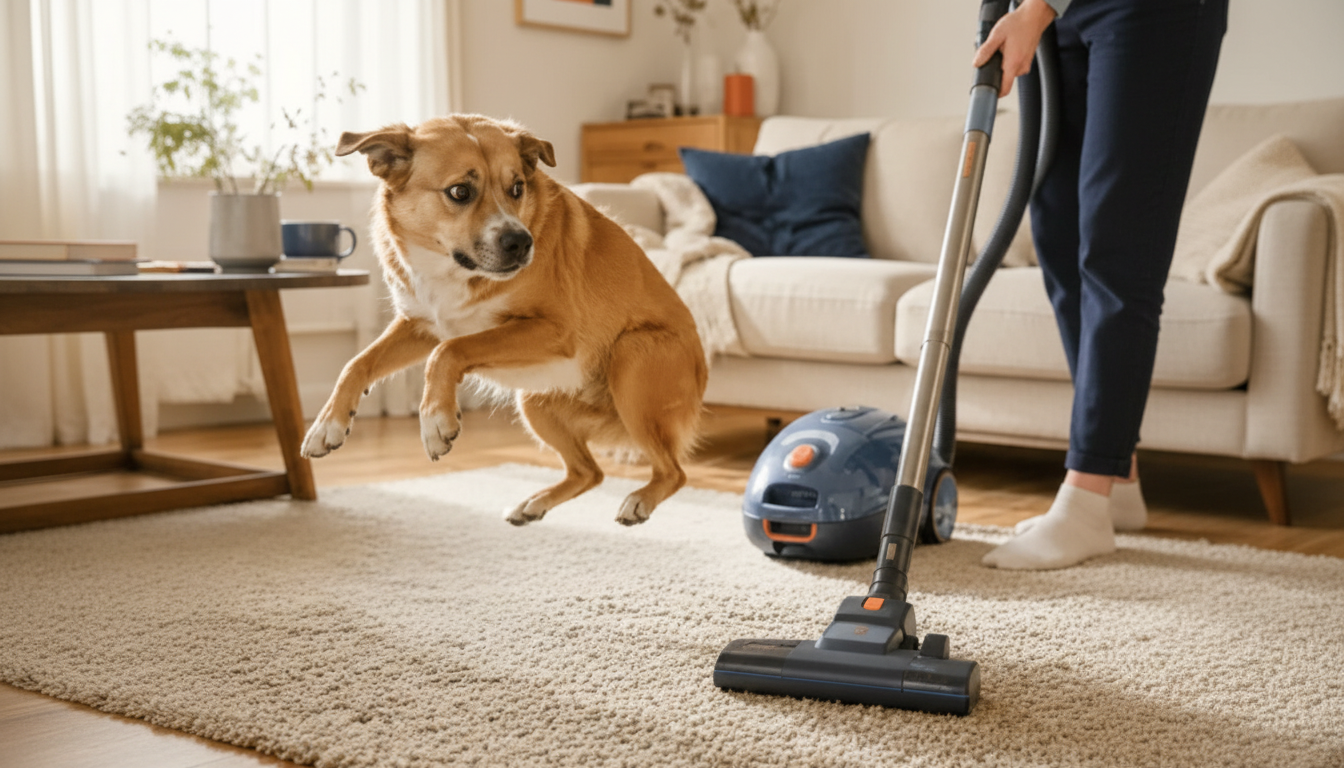
Helping Pets Handle Vacuum Stress: A Calm, Step-by-Step Plan for Quieter Cleaning Days
Some pets treat the vacuum like a predator: the roar, the sudden movement, and the changing smells can trigger hiding, barking, swatting, trembling, or accidents. The good news is that vacuum fear is often learned and can be reduced with predictable routines, gradual sound exposure, and a few environment tweaks. The goal is not to force bravery, but to help pets feel safe while cleaning still gets done.
Why vacuums can feel threatening to pets
Vacuum stress is usually a full-body sensory problem, not “stubborn behavior.” Common reasons include:
- Noise intensity and pitch: many vacuums produce sustained, high-frequency sound that can be uncomfortable, especially for animals with sensitive hearing.
- Unpredictable movement: the vacuum approaches and changes direction quickly, which can resemble a chasing threat.
- Vibration and airflow: floor vibration and air currents can add to the sensory overload.
- Past experiences: slipping on hard floors, being cornered, or being accidentally bumped can create lasting associations.
- Genetics and temperament: some dogs and cats are naturally more noise-sensitive or cautious around novel objects.
If you want the science-backed “why” behind fear learning and humane training, the American Veterinary Society of Animal Behavior (AVSAB) position statements are a solid reference point.
Spotting stress early (before it escalates)
Early detection lets you intervene before panic sets in. Look for subtle signals first, not just the big reactions.
- Dogs: lip licking, yawning, panting when not hot, pinned ears, whale eye, pacing, barking, lunging, or herding the vacuum.
- Cats: crouching, tail flicking, flattened ears, hiding, hissing, swatting, or attempting to bolt.
- Behavior changes around cleaning cues: reacting to the closet door, the cord being pulled out, or the sound of attachments.
- Recovery time matters: if a pet stays on edge long after the vacuum is off, the stress load is higher and the plan should move more slowly.
- Red flags for extra help: self-injury attempts to escape, severe panic, or aggression that appears suddenly.
The ASPCA’s pet care resources include helpful context on fear, anxiety, and stress signals across common household situations.
Set up a “safe cleaning routine” that protects trust
Before training begins, build a setup that prevents repeated scary experiences. Each “bad vacuum event” can reinforce fear, so management is part of the solution.
- Create a dedicated safe zone: a room, crate (for crate-trained dogs), or covered bed in a quiet area with water, familiar bedding, and a chew/food puzzle.
- Separate pet and vacuum at first: use baby gates or a closed door so the pet can relax while cleaning happens elsewhere.
- Add sound buffering: run a white-noise machine, fan, or calming music in the safe zone to reduce contrast with vacuum noise.
- Use predictable cues: a consistent phrase (for example, “vacuum time”), then guide the pet to the safe zone and start the vacuum only after the pet is settled.
- Short sessions beat marathon cleans: multiple quick passes reduce intensity and keep the home tidy without overwhelming the pet.
For a training-centered routine designed specifically around this challenge, consider Helping Pets Handle Vacuum Stress, which pairs well with a safe-zone approach and short, repeatable sessions.
Gradual desensitization plan (progress only when calm)
Desensitization works best when it’s boring. The goal is for the vacuum to become part of the background—not an event worth reacting to.
Example weekly progression (adjust pacing to the pet)
| Stage | Vacuum activity | Pet setup | Success sign |
|---|---|---|---|
| Days 1–2 | Vacuum visible, unplugged, no movement | Pet at comfortable distance; treats delivered | Loose body, taking treats |
| Days 3–4 | Vacuum rolled 6–12 inches, silent | Pet behind gate or on mat; treat stream | No retreating; relaxed posture |
| Days 5–6 | Vacuum turned on in another room for 1–3 seconds | Pet in safe zone with chew/puzzle | Continues chewing; no vocalizing |
| Days 7–9 | Vacuum on briefly in same room, stationary | Pet at distance; rapid treats | Looks at vacuum then disengages |
| Days 10–14 | Vacuum on with slow, predictable movement | Pet behind gate/safe zone; intermittent rewards | Stays calm; quick recovery |
Tactics for pets that chase, attack, or guard against the vacuum
Support tools that can make training easier
If calming music is part of your routine, keeping your earbuds protected and easy to grab can help the habit stick. Two simple add-ons: Silicone Case for Apple AirPods 4, AirPods Pro 2, AirPods 3 and Leather Texture TPU Case for Apple AirPods 1/2/3/Pro.
When to talk to a veterinarian
For additional medical context on behavior concerns, the Merck Veterinary Manual’s behavior resources can help you understand what professionals look for when evaluating fear and anxiety.
FAQ
Should pets be in the room while vacuuming?
Start with separation using a safe zone or closed door so cleaning doesn’t repeatedly scare your pet. Some pets can eventually remain calm at a distance after training, but forcing proximity usually increases fear.
How long does it take to reduce vacuum fear?
Many pets improve over weeks, but more intense fear can take a few months of steady, low-pressure practice. Progress is best measured by calmer body language and quicker recovery, and it’s normal to step back a level if reactions pop up.
What if a dog tries to bite the vacuum or a cat swats at it?
Prioritize safety with gates, doors, and controlled distance, then teach an alternate behavior like “go to mat” and reward it during vacuum cues. Avoid punishment, and get professional help if aggression is significant or appears suddenly.















Leave a comment