Eco-Friendly Travel Checklist: Zero-Waste Packing Guide
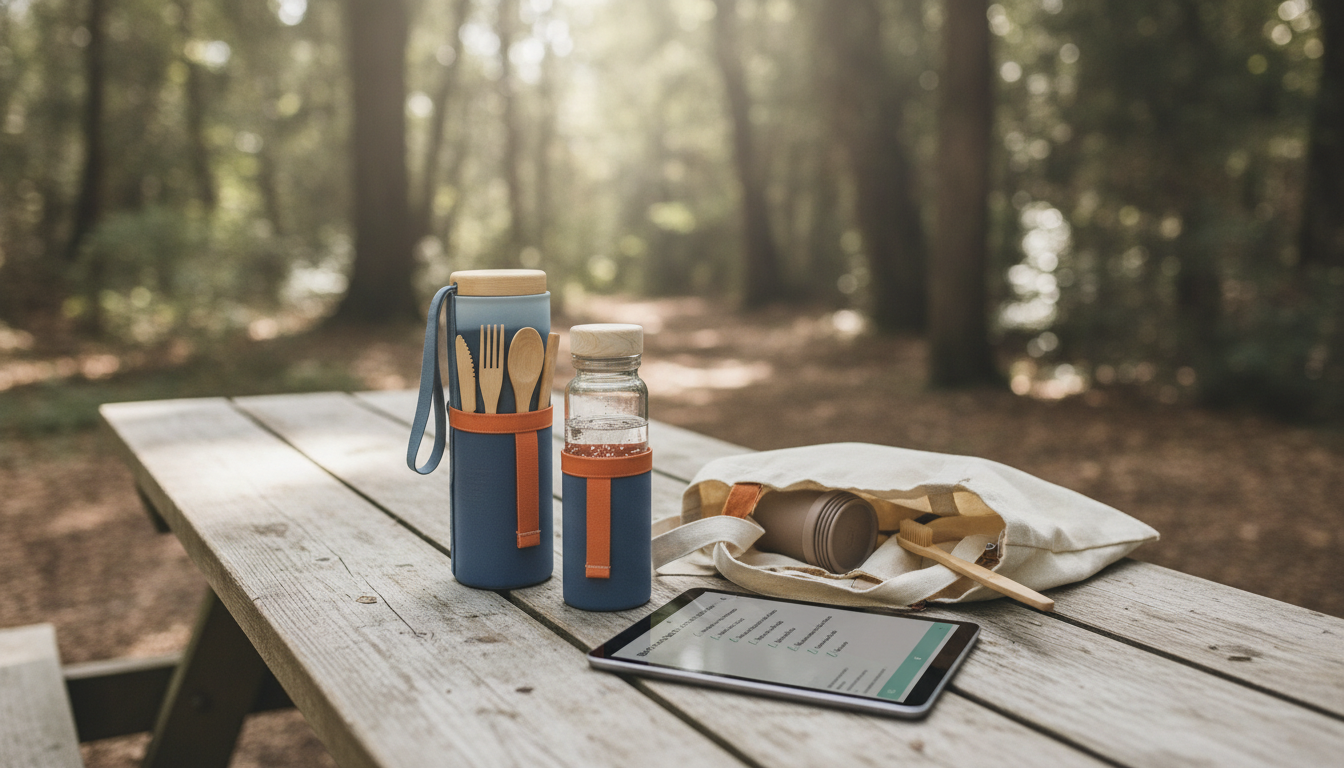
Eco-Friendly Traveler Checklist: A Practical Zero-Waste Packing List and Green Travel Guide
Sustainable travel is easier when the decisions are made before leaving home. A simple checklist cuts last-minute purchases, reduces single-use waste, and helps keep trips comfortable and low-impact—whether the destination is a weekend city break or a long-haul adventure. Use the sections below to pack lighter, waste less, and build greener habits that actually fit real travel days.
How to use an eco-friendly travel checklist (before booking, before packing, before leaving)
A checklist works best when it starts early and stays reusable. Instead of “perfect” zero-waste, aim for fewer emergency buys, fewer disposables, and a system you can repeat.
- Start 7–10 days out: review gear, replace consumables with refillables, and set aside items to wash/dry (reusable bags, bottles, containers).
- Use a one-in, one-out rule: if something new goes in, remove one non-essential. Smaller luggage is easier to carry and typically lowers travel emissions.
- Create three mini-checklists: transit day essentials, daily carry, and accommodation setup (reusables + laundry plan).
- Pick double-duty reusables: scarf as a blanket, solid bar as shampoo + body wash, tote as day bag + grocery bag.
If you want a repeatable template you can copy for every trip, consider a downloadable version like the Eco-Friendly Traveler Checklist (digital download).
Zero-waste packing list essentials (small items that prevent big waste)
The biggest waste reducers are the “tiny defaults” that stop single-use purchases in airports, convenience stores, and hotel lobbies.
- Hydration + drinks: reusable bottle, collapsible cup, insulated mug (if coffee/tea is daily).
- Food on the go: utensil set, reusable container, cloth napkin, refillable snack bag.
- Shopping + extras: lightweight tote, produce bags, a few rubber bands or a reusable tie for bundling.
- Personal care: solid shampoo/soap bar, refillable deodorant, bamboo toothbrush or replaceable-head brush, floss in minimal packaging.
- Health + safety: refillable hand sanitizer, small first-aid basics, reef-safe sunscreen where relevant, any required medications in original containers.
- Laundry support: concentrated detergent sheets or bar, stain stick, travel clothesline; plan for air-drying to reduce energy use.
Compact zero-waste kit (carry-on friendly)
| Item | Why it helps | Quick tip |
|---|---|---|
| Reusable water bottle | Avoids single-use plastic bottles | Fill after security; choose a wide-mouth bottle for easier cleaning |
| Reusable utensils | Prevents disposable cutlery waste | Add a chopstick/spork combo to keep it light |
| Reusable container | Cuts takeout packaging and food waste | Use it as a snack box or leftover saver |
| Tote bag | Replaces plastic bags and doubles as day bag | Choose a packable tote that fits in a pocket |
| Solid toiletries (bars) | Less plastic and fewer liquid restrictions | Store in a ventilated tin to keep bars dry |
| Refillable sanitizer | Reduces mini plastic bottle purchases | Refill from a larger container at home |
Clothing strategies that reduce waste (and keep outfits flexible)
Clothing is where overpacking quietly multiplies: heavier luggage, more “just in case” purchases, and more laundry.
- Pack a capsule wardrobe: 2–3 bottoms, 4–6 tops, 1 mid-layer, 1 outer layer, 1 versatile shoe plus one activity-specific option if needed.
- Choose quick-dry, durable fabrics where appropriate; prioritize items already owned and well-loved.
- Favor mix-and-match neutrals with one accent color; fewer pieces create more outfits.
- Bring a repair mini-kit: a few safety pins, a needle/thread, and a small patch—small fixes extend clothing life on the road.
Low-impact transit and day-of-travel habits
Transit days are where waste spikes: impulse snacks, bottled drinks, and disposable “I forgot mine” fixes.
For long travel days, a reliable high-capacity battery can prevent last-minute electronics purchases and keep you using one device longer. The 200000mAh 120W Power Bank for iPhone and Apple Devices is a practical option for extended transit, power outages, or multi-stop itineraries.
Accommodation and housekeeping choices that make a difference
Food, refill, and recycling on the road (realistic, not perfect)
Sustainable tourism is built on practical choices that reduce resource use and protect destinations over time. For broader context, see guidance from UNEP and the UNWTO.
If you need a quick refresher on the hierarchy of waste reduction, the U.S. EPA “Reduce, Reuse, Recycle” overview is a helpful reference.
Digital checklist setup: keep it handy, printable, and reusable
Common mistakes that quietly increase waste
Downloadable checklist option for faster planning
For a simple, reusable template you can duplicate for every trip, use the Eco-Friendly Traveler Checklist | Sustainable Travel Digital Download | Zero Waste Packing List, Green Travel Tips Guide.
Compare related options such as Premium Leather Magnetic Case for Apple iPhone to match features, dimensions, and use case before choosing.
FAQ
What should be in a zero-waste travel kit?
Start with core reusables (water bottle, utensils, container, and tote), add low-plastic toiletries (solid bars and refillables), and include a small pouch to hold trash until you find the right bin. The goal is to prevent the most common single-use purchases.
Are solid toiletries easier for carry-on travel?
Yes—solid bars reduce liquid restrictions, are less likely to leak, and often come with less packaging. A ventilated tin or soap case helps bars dry between uses and keeps your bag cleaner.
How can a digital packing checklist reduce waste?
A digital list reduces last-minute purchases by reminding you what you already own, and it’s easy to improve after each trip by removing unused items. Over time, it helps you pack lighter and rely on reusables more consistently.
















Leave a comment